
Living a sustainable lifestyle might seem overwhelming at first. The thought of cutting down on waste while keeping your daily routine intact can feel stressful. But it doesn’t have to be complicated. By making small, practical changes, you can reduce your environmental footprint without turning your life upside down. Here are some easy swaps to help you get started.
1. Rethink Your Shopping Habits
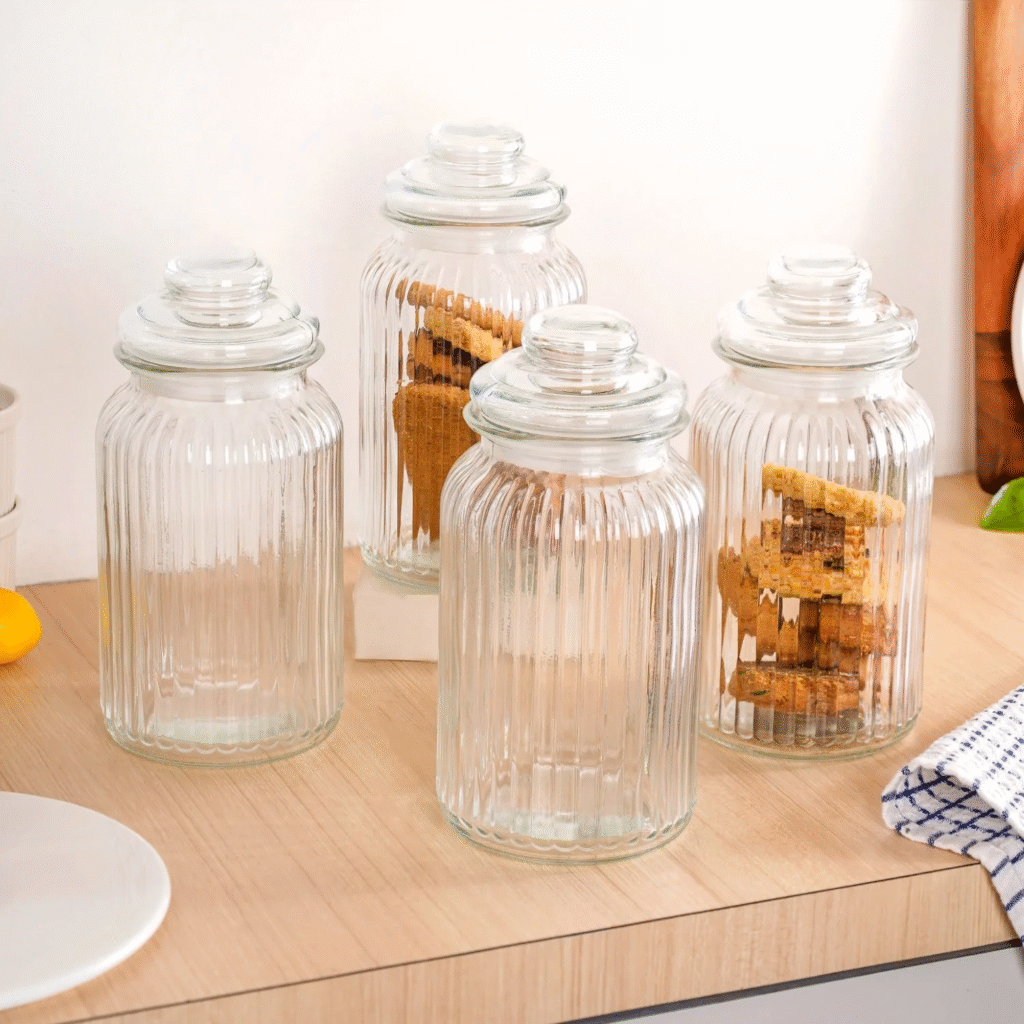

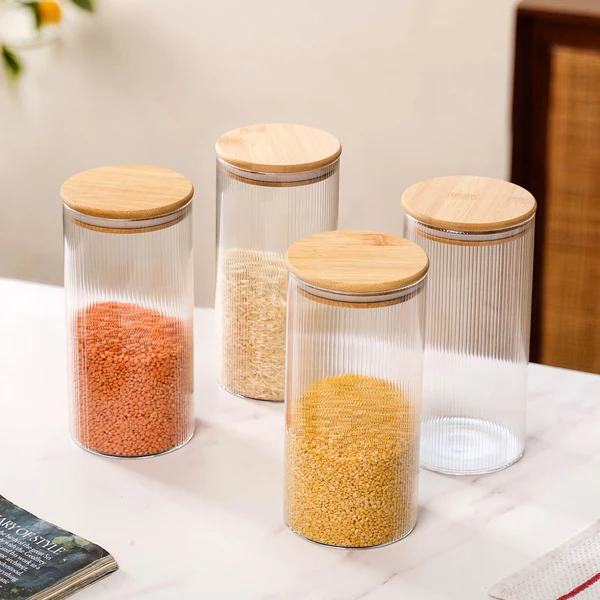
The first step toward a zero-waste lifestyle starts at the store. Bring your own reusable bags, jars, or containers. Many grocery stores now offer bulk sections where you can fill your own containers with staples like rice, nuts, or pasta. Not only does this cut down on plastic packaging, but it also saves money over time.
Tip: Keep a small tote or pouch in your car or bag so you’re always prepared.
2. Swap Single-Use Items for Reusables


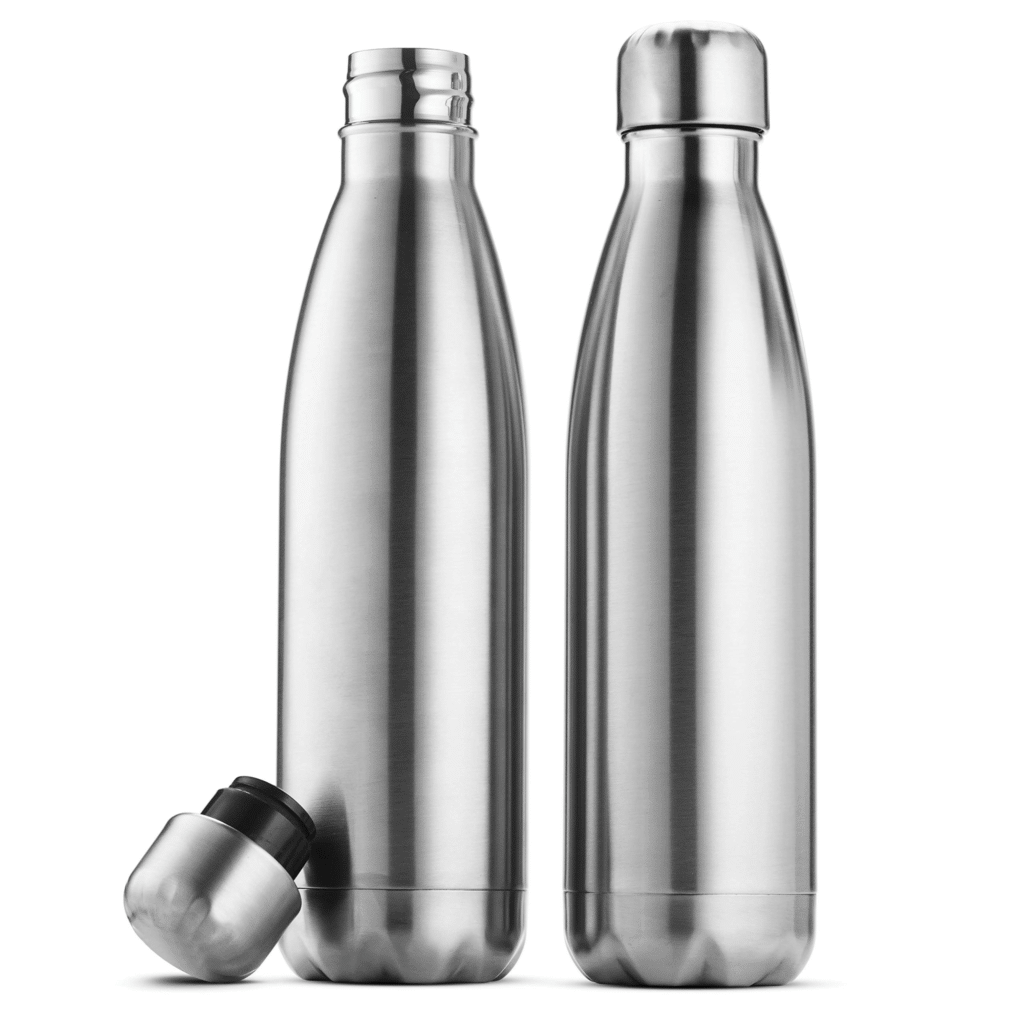

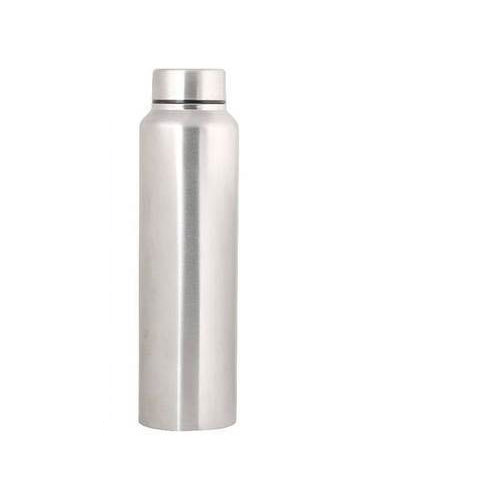
Items like plastic straws, water bottles, and coffee cups are convenient but create mountains of waste. Switching to reusable versions is simple and effective. Stainless steel bottles, silicone straws, and bamboo cutlery can last for years with minimal care.
Fun idea: Personalize your reusable items with stickers or engravings—it makes them more fun to carry around.
3. Make Your Own Cleaning Products
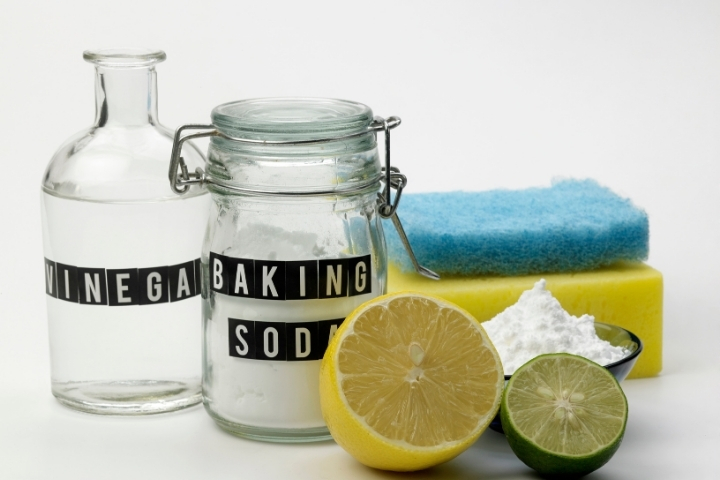
Many household cleaners come in plastic bottles and contain harsh chemicals. With a few basic ingredients like vinegar, baking soda, and lemon, you can make safe, effective cleaners at home. Not only does this reduce plastic waste, but it also keeps your home free of unnecessary toxins.
Example: Mix equal parts water and vinegar in a spray bottle for a multi-purpose cleaner. Add a few drops of essential oil for a pleasant scent.
4. Choose Products That Last

Durability matters more than trendiness. When buying clothes, kitchenware, or electronics, opt for items designed to last. It may cost more upfront, but it reduces the need for replacements and keeps more waste out of landfills.
Pro tip: Check reviews or ask about repair options before making a purchase. Quality over quantity is the key.
5. Compost and Recycle Properly
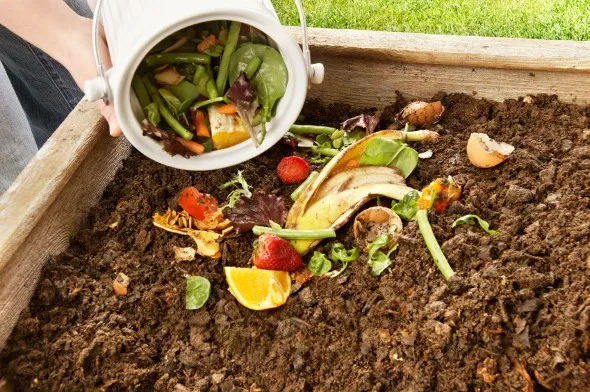
Food scraps and organic waste can make a big difference if managed correctly. Composting reduces methane emissions and creates nutrient-rich soil for gardens. At the same time, recycling ensures that paper, glass, and plastics get a second life instead of ending up in a landfill.
Tip: Learn your local recycling rules. It’s surprising how many items people toss in the wrong bin every day.
6. Mindful Consumption Beyond the Home

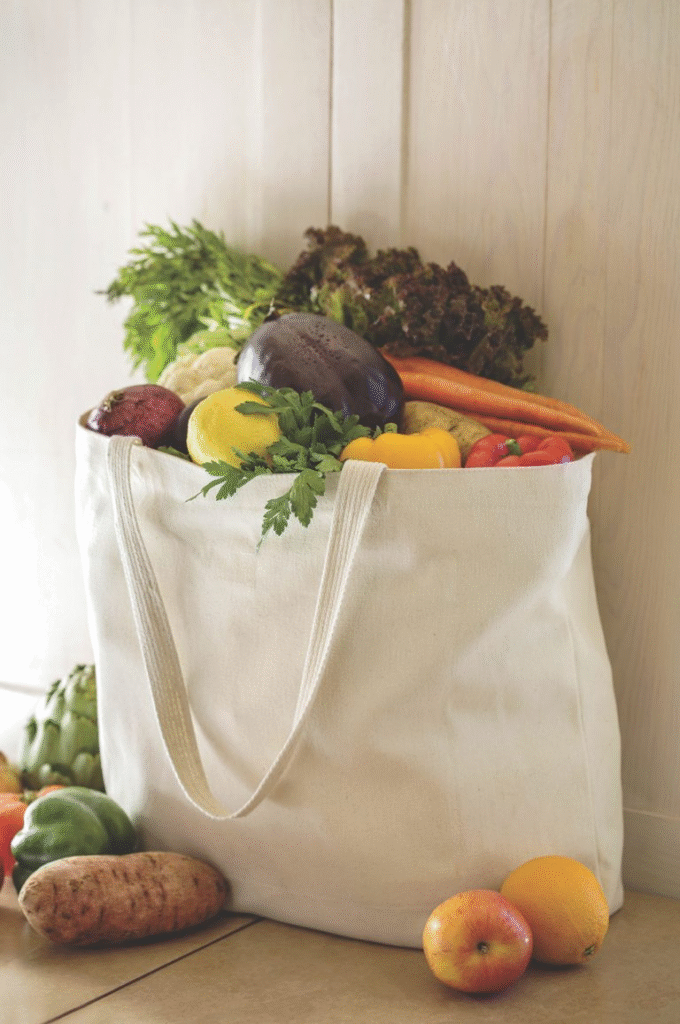
Zero waste doesn’t stop at your doorstep. Consider sustainable practices when dining out or traveling. Bring your own containers for takeout, use reusable shopping bags on trips, and avoid single-use items whenever possible. Every small decision adds up over time.
7. Start Small and Be Consistent

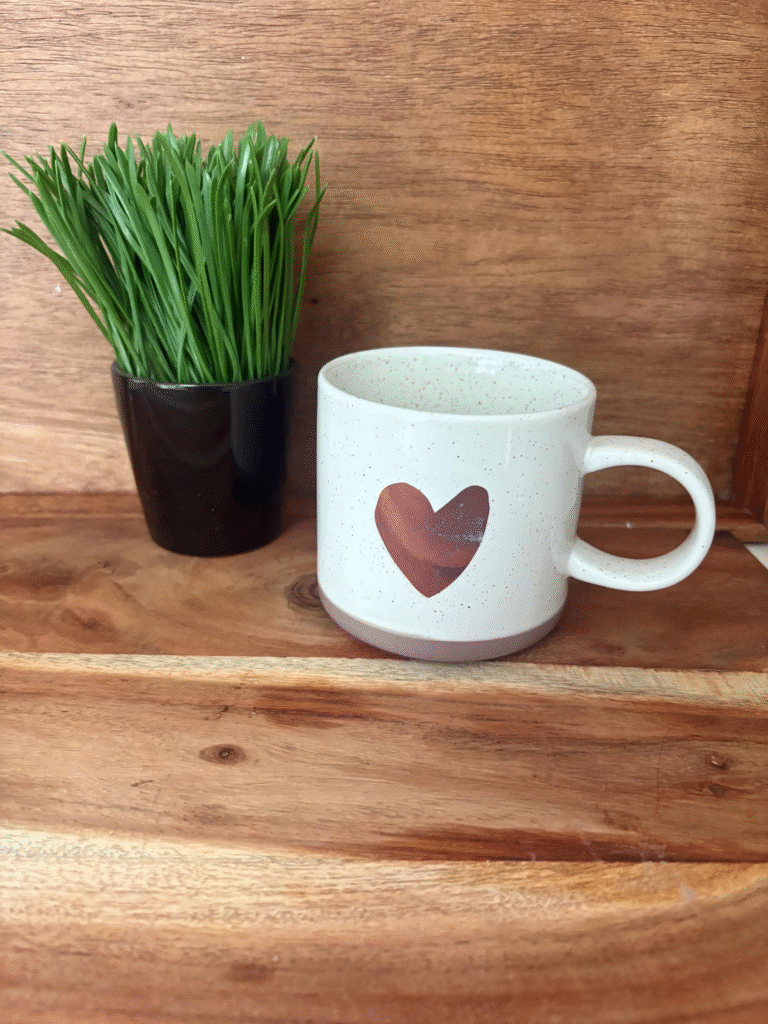
The key to reducing waste without stress is taking gradual steps. Start with one or two swaps and build from there. Celebrate small victories rather than aiming for perfection. Sustainability is a journey, not a race.
Encouragement: Even tiny changes, like carrying a reusable coffee cup or refusing plastic straws, make a real difference when multiplied across communities.
Final Thoughts
Adopting a zero-waste lifestyle doesn’t have to feel daunting. By swapping a few everyday items, making mindful purchases, and managing waste thoughtfully, you can live sustainably while keeping life simple. The goal is progress, not perfection, and every small effort counts toward a cleaner, healthier planet.
This blog is for informational purposes only and is not a substitute for professional advice. Individual results may vary.
#ZeroWaste #SustainableLiving #EcoFriendlyTips #GreenLifestyle #ReduceWaste #SimpleSwaps #EcoLife #Anslation #Carrerbook
Leave a Reply