

Living a zero waste lifestyle is not about being perfect. It’s about making conscious choices that reduce waste, minimize pollution, and protect the planet. In a world overflowing with disposable products and packaging, small daily changes can create a big environmental impact.
What Does Zero Waste Mean?
Zero waste is a lifestyle philosophy that encourages redesigning resource life cycles so that all products are reused and nothing ends up in landfills or incinerators. It’s about using what you already have, refusing what you don’t need, and rethinking your relationship with consumption.
Instead of throwing things away, zero waste living focuses on recycling, composting, and finding sustainable alternatives for everyday needs.
Why Zero Waste Living Matters
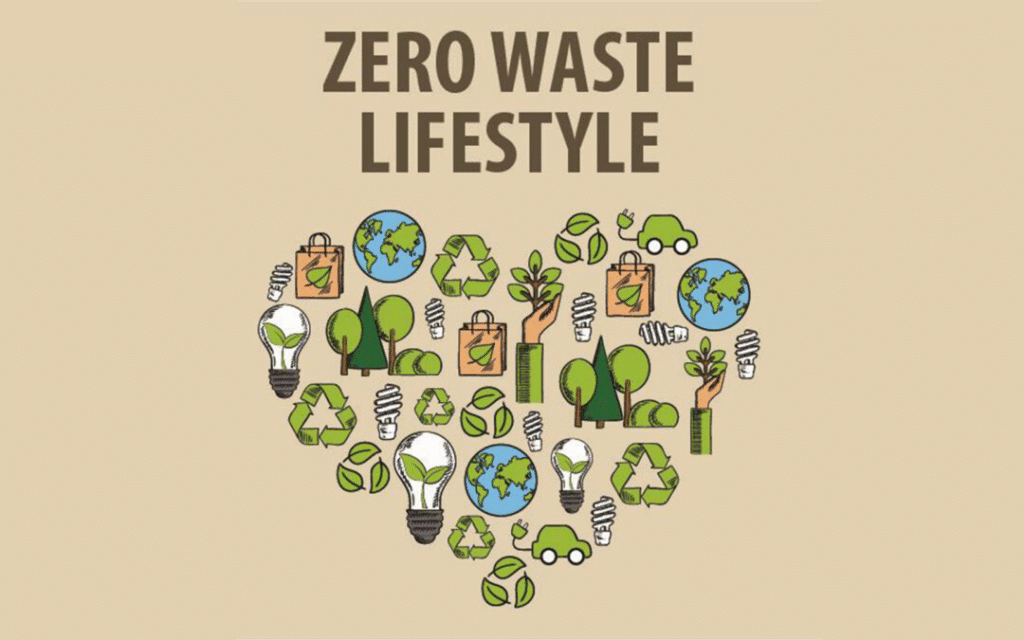

Every piece of plastic ever made still exists somewhere on the planet. Landfills are filling up faster than ever, and marine life suffers from plastic pollution. By shifting towards a zero waste lifestyle, you reduce your carbon footprint and help conserve natural resources.
Living consciously also sets an example for others and contributes to a cleaner, healthier future.
Simple Steps to Start Your Zero Waste Journey
1. Refuse What You Don’t Need
The first step is learning to say no. Turn down freebies, excessive packaging, and single-use items. By refusing unnecessary products, you prevent waste before it even begins.
2. Reduce What You Use
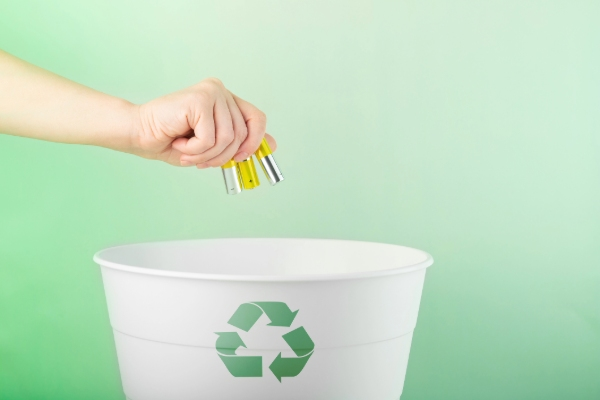
Simplify your lifestyle by owning fewer items and focusing on quality over quantity. Choose durable, long-lasting goods that don’t need frequent replacement.
3. Reuse Whenever Possible
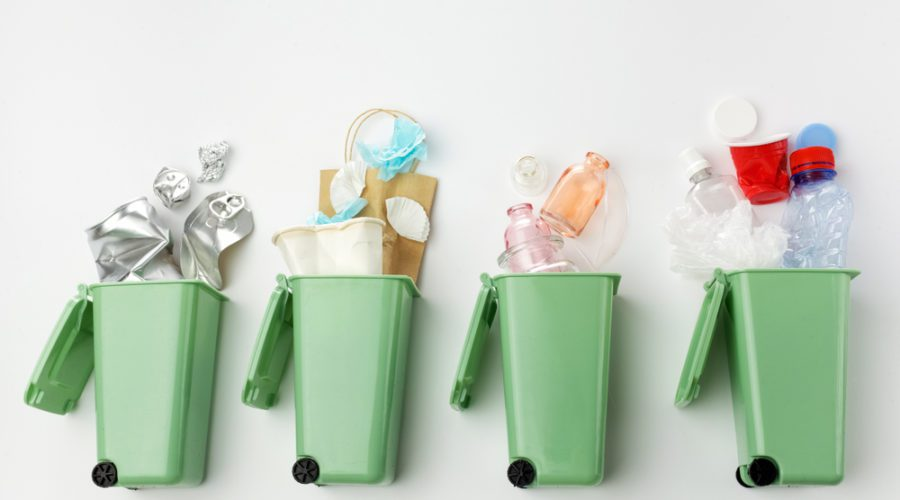
Carry reusable bags, bottles, and containers wherever you go. Refill your water bottle instead of buying new ones, and repurpose jars or boxes for storage.
4. Recycle Properly
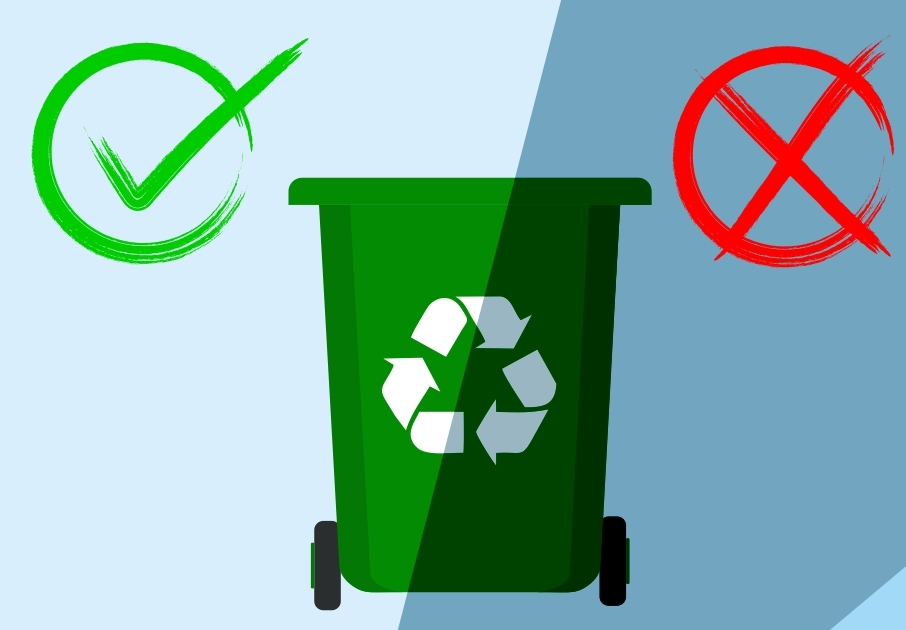
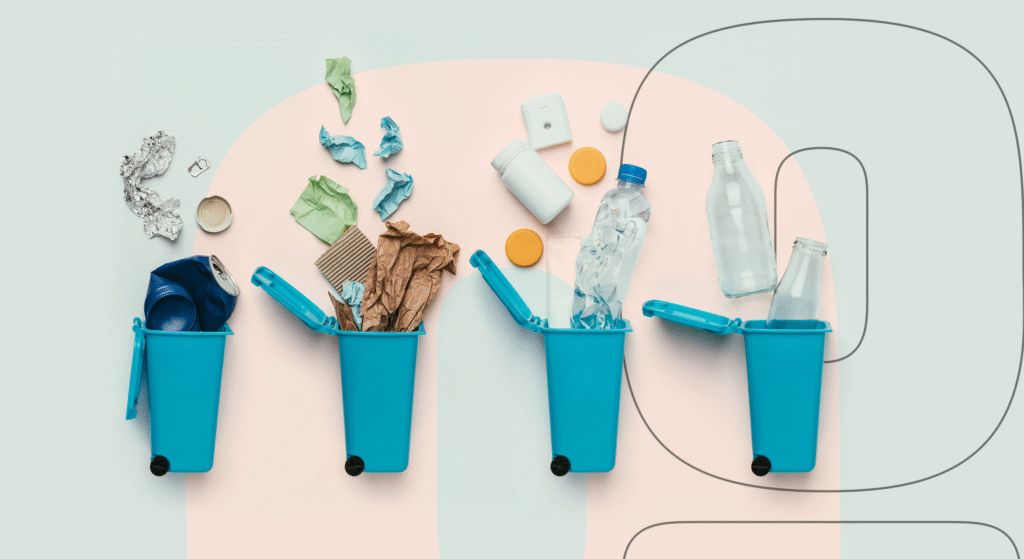
Recycling helps reduce landfill waste, but only when done correctly. Sort materials based on your local recycling rules, and make sure containers are clean and dry before disposal.
5. Compost Food Waste

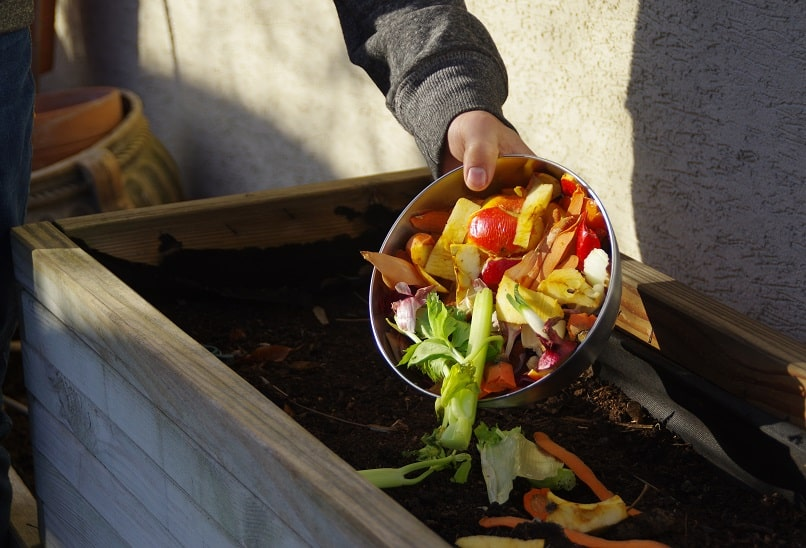
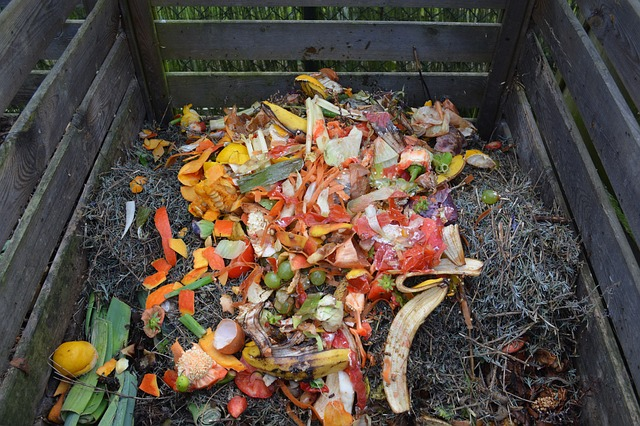
Composting is one of the best ways to reduce household waste. Instead of throwing food scraps in the trash, turn them into nutrient-rich compost for your garden or plants.
Eco-Friendly Swaps to Try at Home
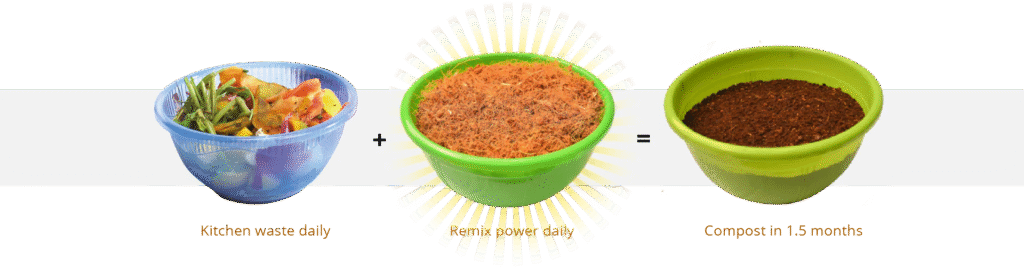
Start small with simple swaps. Replace plastic toothbrushes with bamboo, paper towels with cloth napkins, and chemical cleaners with homemade natural alternatives. Even switching to bar soap instead of bottled products can cut plastic waste significantly.
Zero Waste in Everyday Life
Zero waste living is more than just recycling. It’s a mindset you can apply everywhere—from cooking and cleaning to shopping and travel. Bring your own containers to grocery stores, buy in bulk, and support brands that use sustainable packaging.
When traveling, pack reusable essentials like a metal straw, water bottle, and cloth tote bag. These small changes help reduce single-use waste during your trips.
The Bigger Picture
Going zero waste might seem challenging at first, but it becomes easier once you make it part of your routine. Remember, the goal isn’t perfection—it’s progress. Each mindful choice reduces your impact and moves us closer to a sustainable planet.
By choosing zero waste living, you’re not just reducing your environmental footprint; you’re building a lifestyle rooted in purpose, responsibility, and care for the Earth.
Final Thoughts
Adopting a zero waste lifestyle is one of the most powerful ways to contribute to a sustainable future. Every small effort counts. Start where you are, use what you have, and do what you can—because when millions of people make small changes, the world changes too.
This article is for informational purposes only. Readers should make eco-friendly choices based on their own research and local guidelines.
#ZeroWasteLiving #SustainableLifestyle #EcoFriendlyHabits #GoGreen2025 #PlasticFreeFuture #WasteFreeLiving #EnvironmentMatters #Carrerbook #Anslation
Leave a Reply