

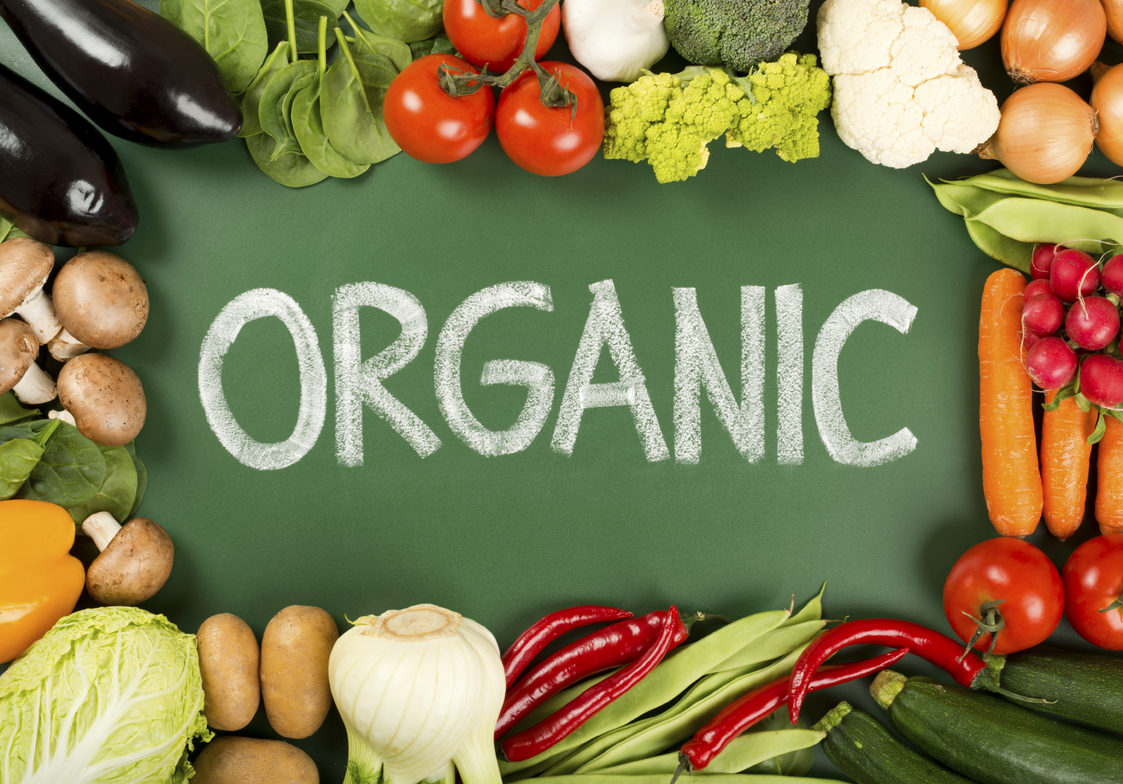

If you’ve ever found yourself staring at grocery labels wondering what “organic” really means, you’re not alone. The term is everywhere—from fruits and vegetables to beauty products and clothing—but it’s often misunderstood. This simple guide breaks down what organic actually stands for and how it impacts your health, lifestyle, and the planet.
1. The True Meaning of Organic

The word organic refers to how a product is grown, processed, or made. Organic farming avoids synthetic chemicals, pesticides, genetically modified organisms (GMOs), and artificial fertilizers. Instead, it focuses on natural methods that protect soil health, water quality, and biodiversity.
When a product is certified organic, it means it meets specific government standards that ensure it’s produced in an environmentally friendly and sustainable way.
2.How organic farming benefits the environment

Organic farming helps keep our planet healthy. It reduces pollution, conserves water, and improves soil fertility through composting and crop rotation. Farmers rely on natural pest control methods instead of harmful chemicals, creating safer habitats for bees, birds, and other wildlife.
These eco-friendly practices also help lower greenhouse gas emissions, contributing to a cleaner, more sustainable future.
3. The Health Benefits of Choosing Organic


Many people choose organic foods to limit their exposure to chemical residues and additives. Organic produce often contains fewer pesticide traces and may have slightly higher levels of certain nutrients and antioxidants.
While research continues, choosing organic options can be a simple way to support a cleaner diet and a more mindful lifestyle.
4. Organic Labels and What They Mean

Not all “organic” labels mean the same thing. Here’s a quick breakdown:
- 100% Organic: Made entirely with certified organic ingredients.
- Organic: Contains at least 95% organic ingredients.
- Made with Organic Ingredients: Includes at least 70% organic materials.
Always look for official certification seals such as USDA Organic or equivalent local labels to ensure authenticity.
5. The Cost vs. Value Debate


Organic products often come at a higher price, but that extra cost supports fair wages for farmers, animal welfare, and sustainable farming systems. If your budget is limited, start by buying organic for items most affected by pesticides—like apples, strawberries, and spinach.
6. Beyond Food: The Rise of Organic Lifestyle Products

The organic movement goes beyond food. From skincare and clothing to cleaning supplies, more consumers are turning toward products made without harmful chemicals or synthetic dyes. These alternatives are better for both your body and the environment
7. How to Make Smarter Organic Choices


You don’t have to switch your entire lifestyle overnight. Begin small by reading labels, supporting local organic markets, and reducing waste. Every conscious choice makes a positive difference.
Conclusion: Keep It Real, Keep It Organic
Living organically is about more than just what you eat—it’s about how you live. By choosing organic, you support healthier communities, a cleaner planet, and a more sustainable future.
The information in this article is for educational and informational purposes only. It should not be considered professional, medical, or legal advice. Always check certified labels and trusted sources before making decisions about organic products.
#OrganicLiving #GoOrganic #EcoFriendly #SustainableLiving #HealthyLifestyle #OrganicFoods #CleanEating #GreenChoices #NaturalProducts #EcoConscious #FarmToTable #OrganicLife #HealthyPlanet #SustainableChoices #MindfulLiving #Carrerbook #Anslation
Leave a Reply