
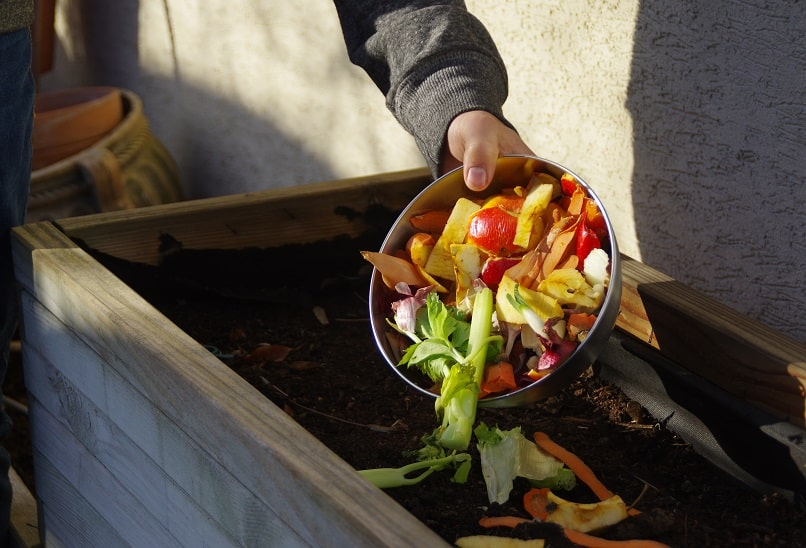
Living a zero waste lifestyle might sound like a huge challenge, but it is often the small choices that make the biggest difference. Anyone can begin reducing waste at home, at work, or on the go. The goal is not perfection. The goal is progress. When you focus on simple daily habits, you naturally start living in a way that is kinder to the planet and easier on your wallet.
Why Zero Waste Matters
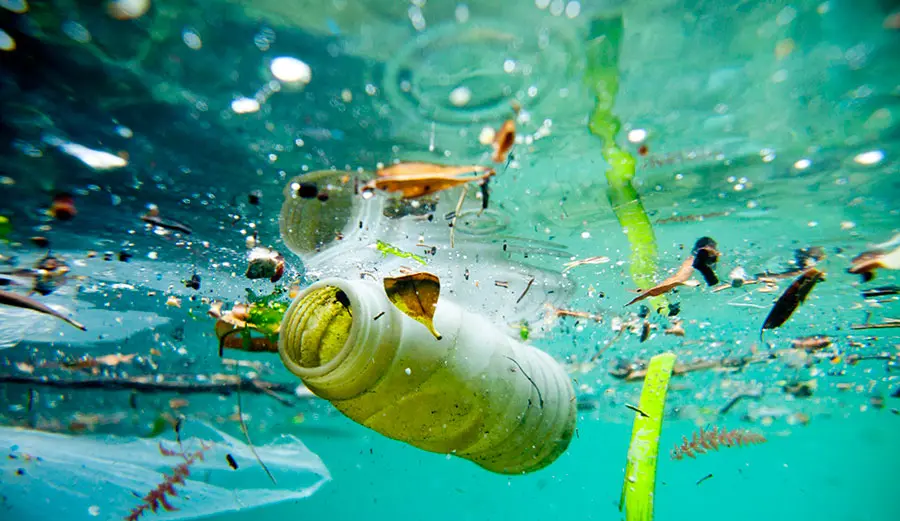
Our world is dealing with overflowing landfills, polluted oceans, and rising carbon emissions. Much of this comes from everyday items we use once and throw away. By choosing reusable and sustainable alternatives, each person can reduce their environmental impact. It might feel like one action is too small, but millions of small actions add up to real change.
Start With What You Already Have
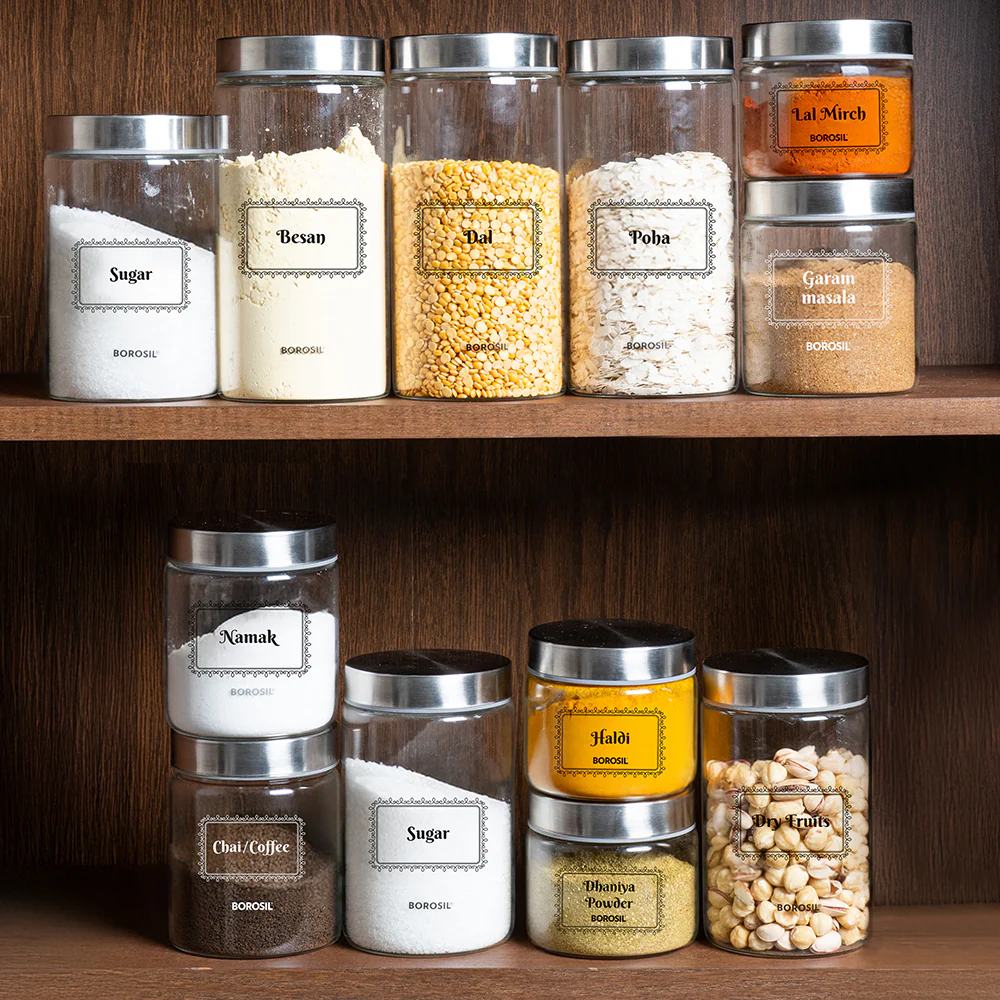
You do not need to buy fancy eco products to begin. Take a look around your home and think about how you can reuse what you already own. Glass jars can become storage containers. Old t-shirts can turn into cleaning rags. A simple mindset shift helps you see items as resources rather than trash.
A great first step is to take inventory of what you throw away most often. Once you know your habits, it becomes easier to make better choices.
Choose Reusable Over Disposable

One of the easiest ways to reduce waste is to replace single use items with reusable versions. A refillable water bottle can prevent hundreds of plastic bottles from ending up in landfills. Bringing your own bag to the store keeps more plastic out of the environment. Even small swaps like metal straws or cloth napkins can make a difference over time.
These items usually last for years, which means you save money while reducing your footprint.
Shop More Mindfully

Zero waste living is not about buying more. It is about buying smarter. Before purchasing something, ask yourself if you truly need it. If you do, look for long lasting options made from sustainable materials. Choosing products with minimal or recyclable packaging is another simple habit that lowers waste.
Farmers markets and bulk stores are great places to find package free food. Buying only what you need helps cut down on food waste too.
Reduce Food Waste at Home
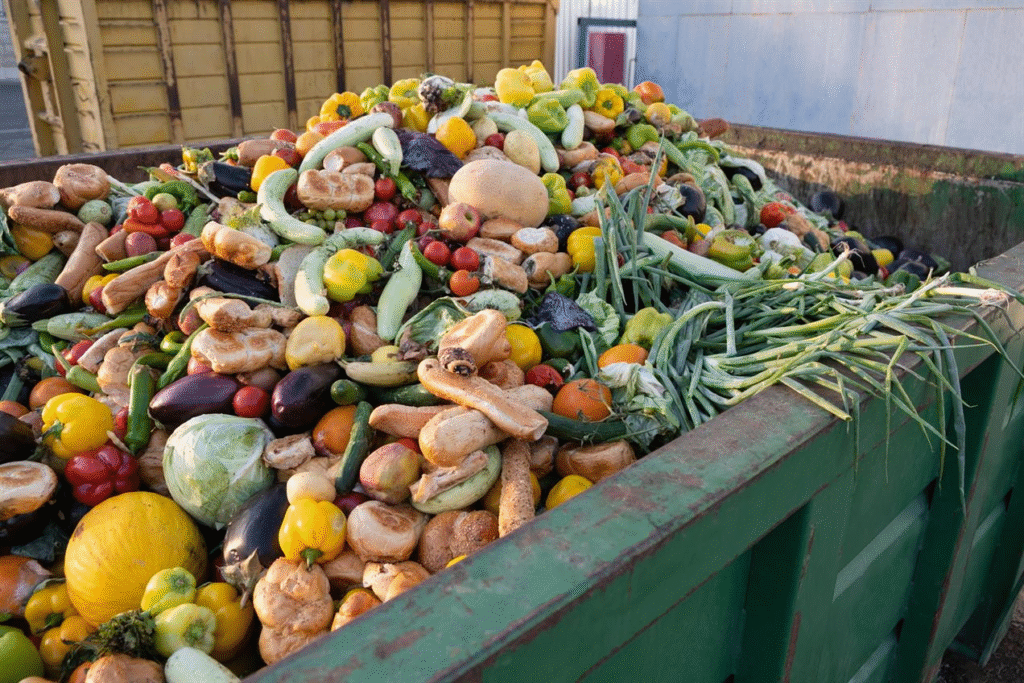
Food waste is a major problem around the world, yet it is one of the easiest issues to fix. Planning your meals for the week helps you avoid buying too much. Storing fruits and vegetables properly keeps them fresh longer. Leftovers can become tomorrow’s lunch or a creative new dish.
If you have space, composting food scraps turns waste into nutrient rich soil. Even a small countertop compost bin can help you keep food out of the trash.
Build Habits That Stick

The most important part of zero waste living is consistency. Start with one or two small changes and build from there. Maybe you begin with reusable bags or cutting down on plastic bottles. Over time, these habits become automatic and you naturally look for even more ways to reduce your waste.
Celebrate your progress, even if it feels small. Every improvement makes a difference.
Final Thoughts
A zero waste lifestyle does not require perfection. It simply encourages mindful choices that lead to a cleaner and healthier planet. When you focus on simple steps like reusing what you have, choosing lasting products, reducing food waste, and recycling properly, you create a positive ripple effect in your home and community.
This content is for educational and informational purposes only. It is not intended as professional environmental or legal advice. Always research local guidelines and choose what works best for your lifestyle.
#ZeroWasteLife #SustainableLiving #EcoFriendlyTips #GreenPlanet #LowWasteLifestyle #GoGreen #ReduceReuseRecycle #EcoHabits #PlasticFreeLiving #SustainableChoices #Anslation #Carrerbook
Leave a Reply