


In recent years, organic products have taken over supermarket shelves, beauty stores, and even online marketplaces. From organic food to skincare, everything seems to carry that “organic” label. But the big question is—are they really worth the hype, or are we just paying more for the same thing?
What Makes a Product “Organic”?


Before judging the worth of organic products, it’s important to understand what organic actually means. Organic products are made without synthetic chemicals, pesticides, artificial additives, or genetically modified ingredients.
In simple terms, these products aim to be safer for human health and more sustainable for the planet. To earn the “organic” label, items must meet strict certification standards set by regulatory bodies.
The Benefits of Choosing Organic Products
1. Healthier Ingredients

Organic foods and skincare items often contain fewer harmful chemicals and preservatives. By reducing your exposure to toxins, you’re making a conscious choice toward better long-term health.
2. Environmentally Friendly


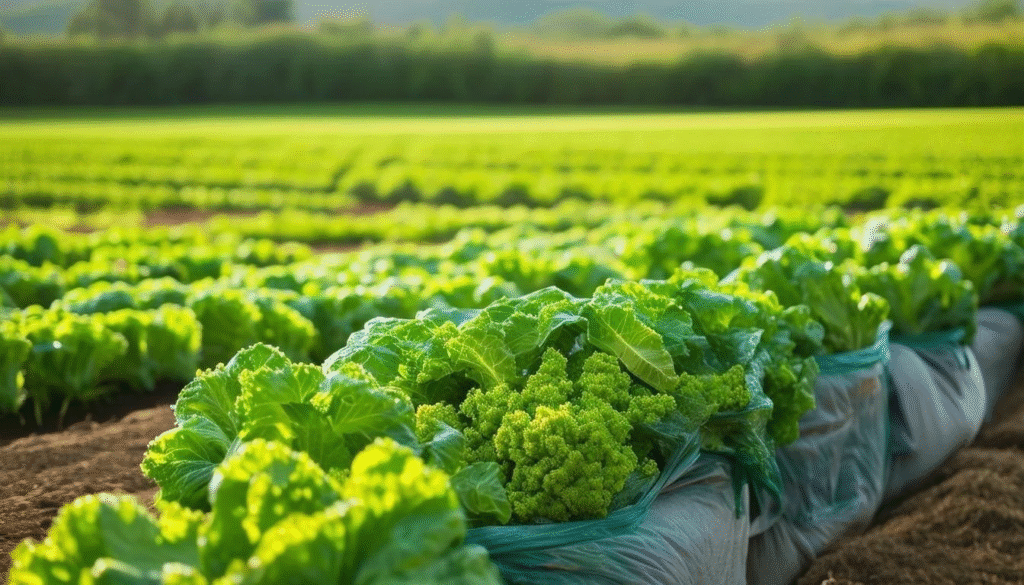
Organic farming and manufacturing support eco-friendly practices. These include soil preservation, water conservation, and reduced pollution—benefits that make a big difference to our planet.
3. Better Taste and Quality

Many people find organic food fresher and more flavorful because it’s often produced in smaller batches and without artificial ripening agents. Similarly, organic beauty products tend to have gentler, more natural formulations.
The Downsides of Organic Products
1. Higher Prices
One of the biggest drawbacks is cost. Organic items are generally more expensive due to smaller-scale production and the higher costs of natural ingredients.
2. Shorter Shelf Life
Because organic products lack synthetic preservatives, they tend to spoil faster. This means more frequent purchases and careful storage.
3. Misleading Labels
Not all products labeled as “natural” or “eco-friendly” are truly organic. Always look for official certifications like USDA Organic or ECOCERT to ensure authenticity.
Are They Really Worth It?

Whether organic products are “worth it” depends on your priorities. If you value sustainability, natural ingredients, and long-term health, then investing in organic options makes sense. However, if your budget is limited, you can still make smart choices by buying selectively—like choosing organic for high-pesticide fruits (the “Dirty Dozen”) or skincare you use daily.
How to Shop Smarter for Organic Products

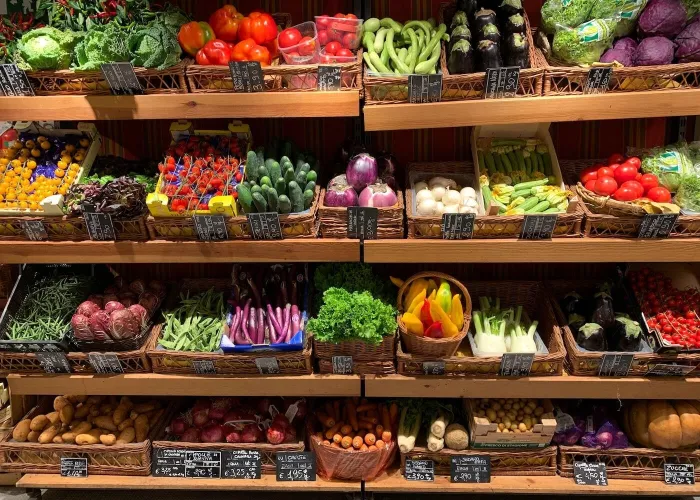

- Check certifications: Always verify the authenticity of organic claims.
- Read ingredient lists: Shorter and simpler is usually better.
- Support local producers: Locally grown organic food is often fresher and cheaper.
- Prioritize what matters: Focus on items that directly affect your health or are used most frequently.
Final Thoughts
The truth about organic products is that they’re not just a marketing trend—they reflect a growing awareness about health and the environment. Still, not every “organic” label guarantees perfection. The best approach is balance: make mindful choices, stay informed, and buy what truly aligns with your values and lifestyle.
This article is for informational purposes only and not intended as professional health or financial advice. Always research products and certifications before making a purchase decision.
#OrganicProducts #OrganicLiving #GoOrganic #SustainableLifestyle #HealthyLiving #EcoFriendly #CleanEating #NaturalProducts #GreenLiving #OrganicSkincare #EcoConscious #SustainableChoices #OrganicFood #WellnessJourney #EcoLifestyle #ChemicalFree #NaturalBeauty #MindfulLiving #HealthyChoices #SustainableFuture
#Carrerbook #Anslation
Leave a Reply