
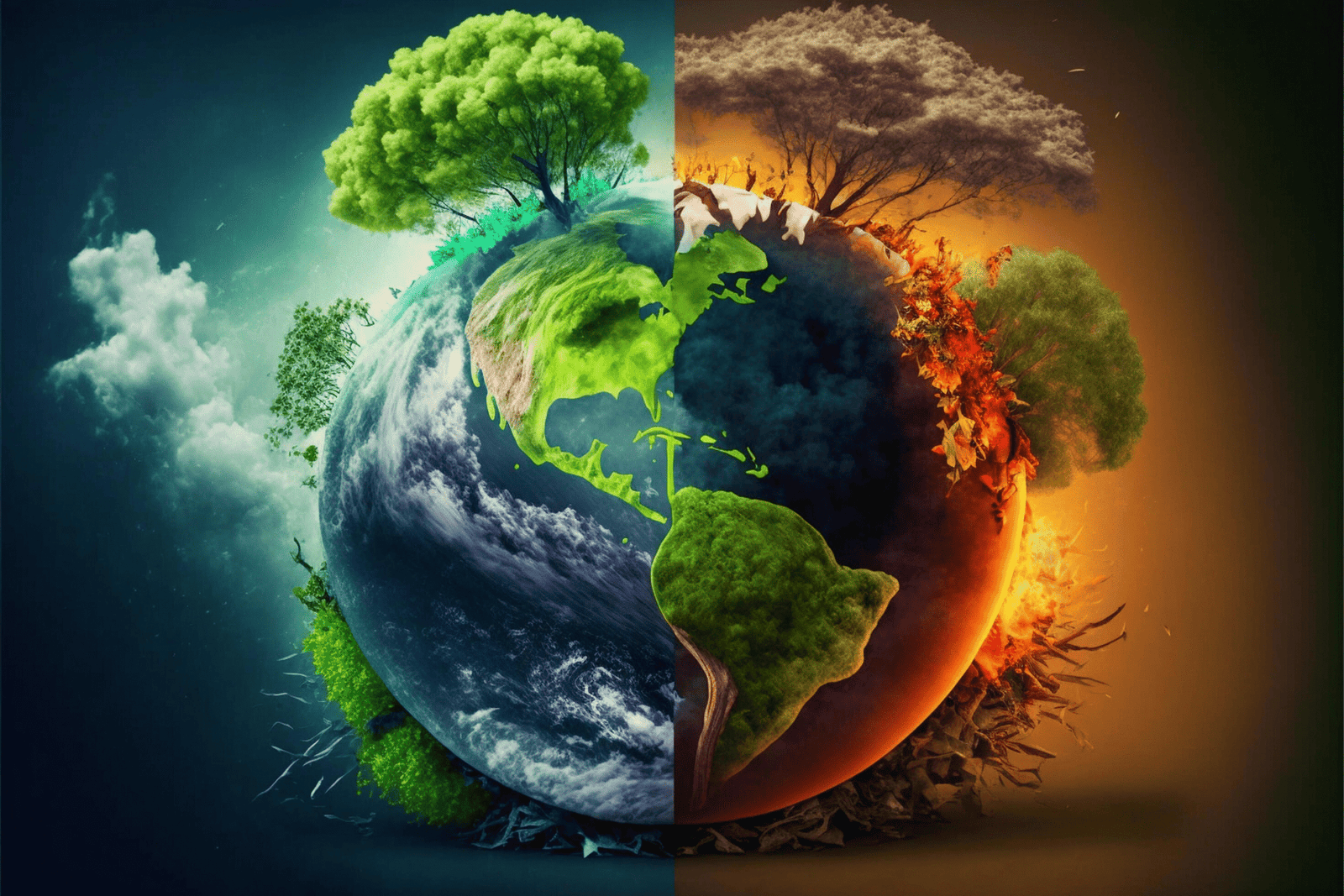

The Earth is changing faster than ever before. From melting ice caps to disappearing forests, our planet is under pressure. But here’s the good news — it’s not too late to make a difference. Conservation isn’t just about protecting nature; it’s about preserving the future of life on Earth, including our own. In this blog, we’ll explore practical and powerful conservation strategies that can help sustain the planet in today’s rapidly shifting world.
1. Rethinking How We Use Natural Resources

One of the biggest challenges we face is the overuse of natural resources. Everything from the water we drink to the minerals used in our phones comes from the Earth. The problem starts when we take more than the planet can replenish.
To fix this, we can start by embracing sustainable consumption. This means choosing eco-friendly products, reducing waste, and supporting companies that prioritize green practices. For example, using reusable bottles, avoiding single-use plastics, and purchasing locally sourced goods can significantly reduce our environmental footprint.
2. Protecting Forests and Wildlife Habitats


Forests are often called the lungs of the planet because they absorb carbon dioxide and produce oxygen. Unfortunately, deforestation continues at alarming rates, threatening both biodiversity and the climate.
Conservation efforts like reforestation and habitat restoration are crucial. Supporting tree-planting projects or volunteering with organizations that protect endangered species helps restore balance to ecosystems. Even small actions, like avoiding products linked to deforestation (such as unsustainably sourced palm oil), make a real difference.
3. Promoting Renewable Energy

Energy is essential for modern life, but most of it still comes from fossil fuels that pollute the environment. The shift toward renewable energy sources such as solar, wind, and hydropower is one of the most effective ways to fight climate change.
Individuals can contribute by installing solar panels, supporting clean energy policies, or simply reducing energy use at home. Turning off lights when not in use, investing in energy-efficient appliances, and carpooling are small steps that add up to a massive impact over time.
4. Supporting Sustainable Agriculture


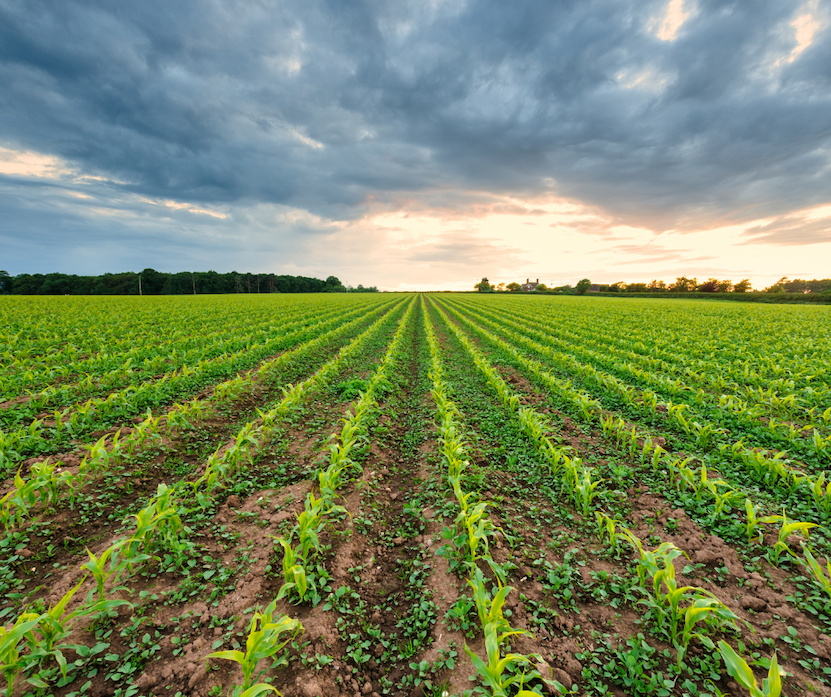
Food production has a huge environmental footprint, from the fertilizers used on crops to the methane released by livestock. Sustainable farming methods can help feed the world without destroying the planet.
Choosing organic or locally grown food, cutting down on meat consumption, and minimizing food waste are all practical ways to promote a greener food system. Farmers can also adopt eco-friendly techniques like crop rotation, composting, and water-efficient irrigation to conserve soil and reduce pollution.
5. Empowering Communities and Education

Real change starts with awareness. Educating people about the importance of conservation encourages collective action. Schools, communities, and even social media play a key role in spreading environmental knowledge.
When communities work together, they can create long-term solutions — from clean-up drives to local recycling programs. Empowered individuals often inspire others to take action, creating a ripple effect of positive change.
6. Conserving Water for the Future
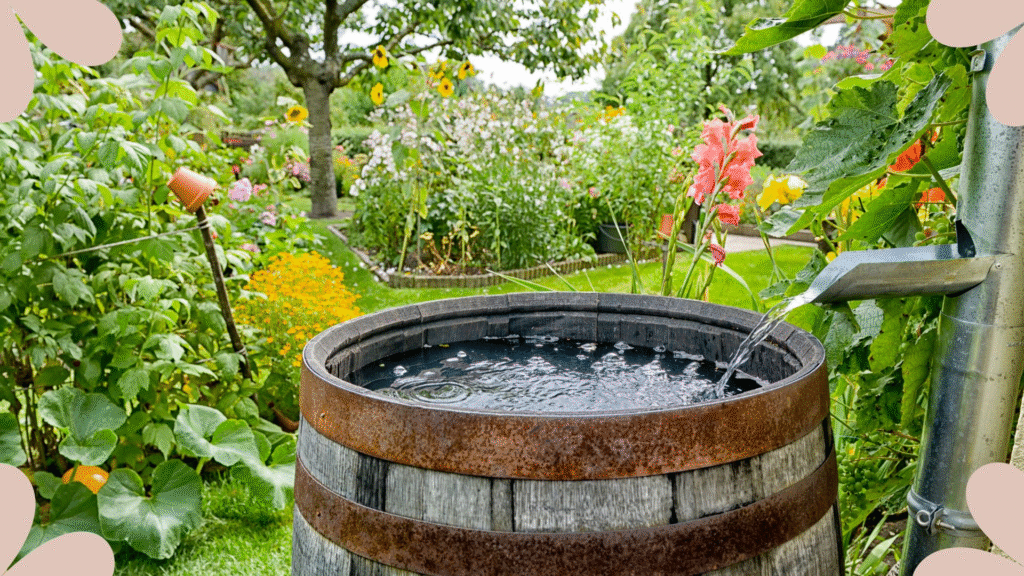
Water is life, yet it’s one of the most misused resources on Earth. Simple habits like fixing leaks, collecting rainwater, and choosing drought-resistant plants can help conserve it. On a larger scale, governments and industries must invest in water-saving technologies and better waste management to protect this vital resource.
Conclusion
Conservation is no longer an option — it’s a necessity. Every action, no matter how small, plays a part in sustaining the planet for future generations. By rethinking how we live, consume, and interact with nature, we can build a world that thrives instead of survives.
The planet doesn’t need saving from us; it needs partnership with us. Together, we can ensure that Earth remains a vibrant, living home for all species — now and for generations to come.
The information shared in this blog is for educational and awareness purposes only. It is not intended as professional environmental or policy advice. Readers are encouraged to verify facts and participate in conservation efforts responsibly.
#SustainThePlanet #GoGreen #EcoFriendlyLiving #SaveOurEarth #ClimateActionNow #SustainableFuture #NatureConservation #GreenRevolution #ProtectWildlife #ZeroWasteLifestyle #EnvironmentMatters #RenewableEnergy #ActForNature #EcoAwareness #CleanPlanet #Anslation #Carrerbook
Leave a Reply