
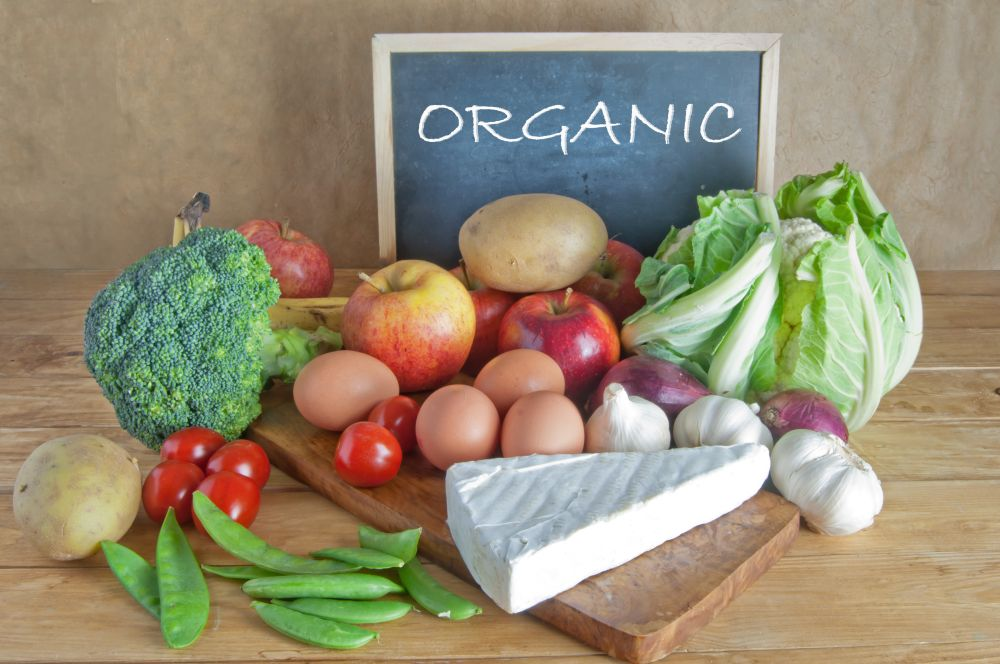

What Is Organic Living?

Organic living is a lifestyle that focuses on making choices that are healthy for you and the planet. It goes beyond eating organic food—it includes using eco-friendly products, reducing waste, avoiding harmful chemicals, and supporting sustainable practices in every part of life.
Choosing organic means embracing nature’s way of living. It’s about selecting products grown or made without synthetic fertilizers, pesticides, or genetically modified organisms (GMOs). This approach promotes wellness, environmental balance, and ethical consumption.
Why Choose Organic Living?
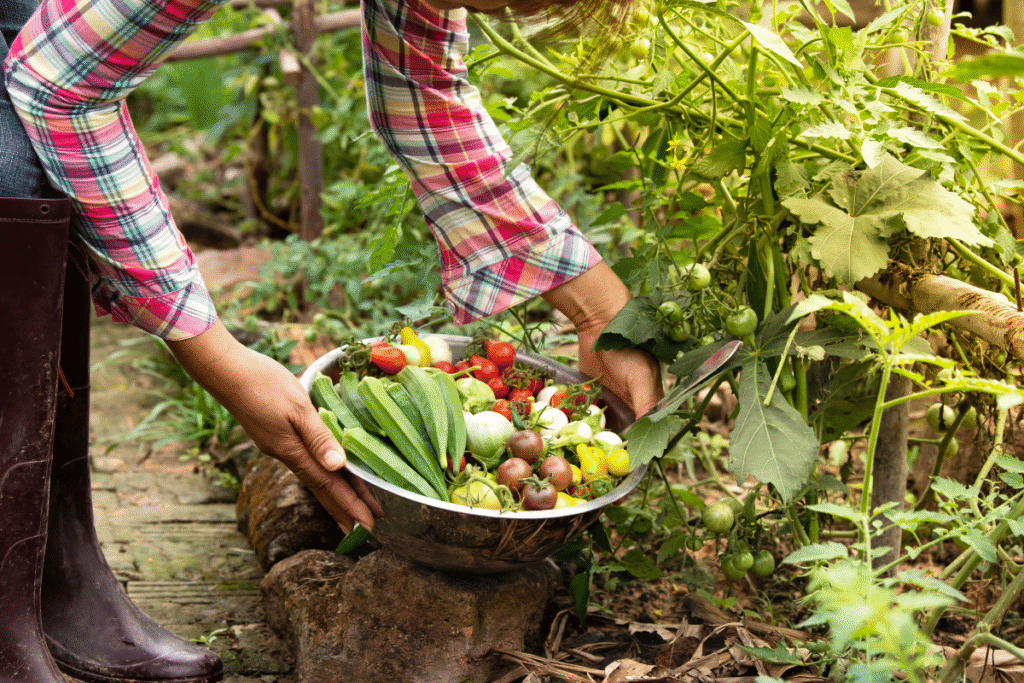

- Healthier Choices
Organic foods are rich in nutrients and free from harmful chemicals. They help reduce your exposure to pesticides and synthetic additives, keeping your body cleaner and stronger. - Environmental Protection
Organic farming improves soil health, conserves water, and promotes biodiversity. When you buy organic, you support farming methods that protect wildlife and reduce pollution. - Better for the Future
Organic living encourages sustainability. Every eco-friendly choice—like buying in bulk, composting, or using reusable bags—helps preserve natural resources for future generations. - Ethical and Humane Practices
Organic farmers often treat animals with care, giving them space to roam and feed naturally. Supporting these products means standing up for better living conditions for animals.
How to Start Living Organically

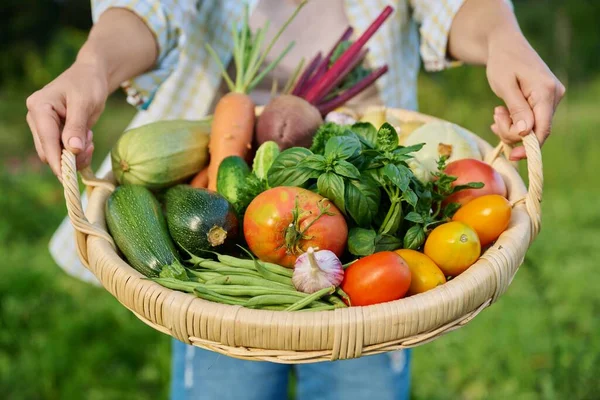
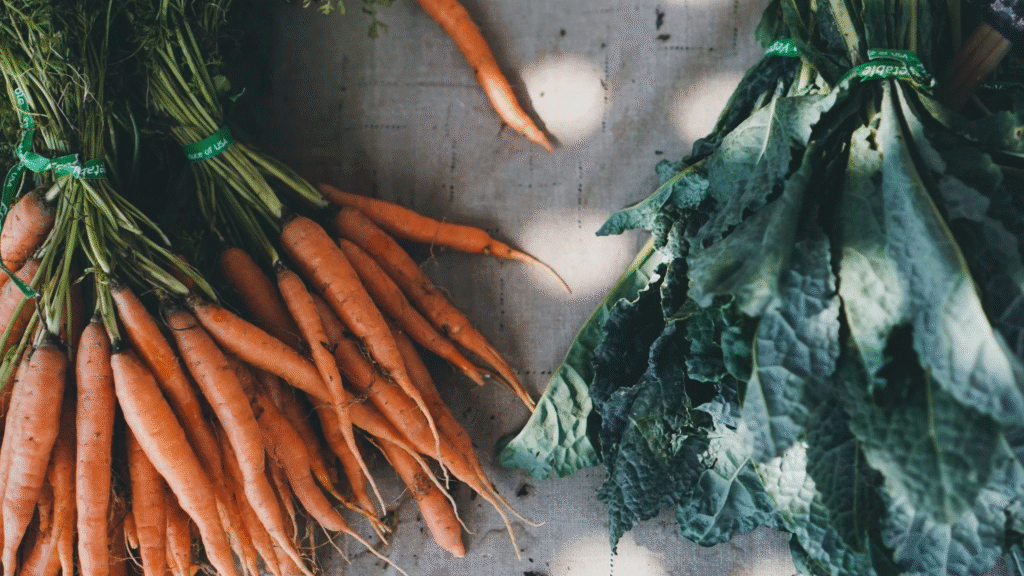
- Begin with Food
Switch to organic fruits, vegetables, grains, and dairy. Start small—choose a few staples like milk, eggs, and produce that are high in pesticide residues when grown conventionally. - Go Green at Home
Replace chemical cleaning products with natural alternatives like vinegar, lemon, and baking soda. Choose organic cotton or bamboo fabrics for clothing and bedding. - Choose Natural Beauty Products
Opt for skincare and haircare products made with plant-based ingredients and no harsh chemicals. Your skin absorbs what you apply, so choose wisely. - Reduce Waste
Use reusable bags, bottles, and containers. Shop locally to cut down on packaging and transportation emissions. - Support Local and Certified Organic Brands
Look for certifications like USDA Organic or India Organic. Supporting local farmers’ markets also promotes community-based sustainability.
Common Myths About Organic Living




- Myth 1: It’s Too Expensive
While some organic products cost more, buying in bulk or locally often reduces the price difference. The long-term health benefits outweigh short-term costs. - Myth 2: Organic Means Perfect
Organic doesn’t always mean pesticide-free—it means limited and natural pest control methods. It’s about minimizing harm, not achieving perfection. - Myth 3: It’s Too Hard to Follow
You don’t need to change everything overnight. Even small changes—like switching to organic snacks or natural soaps—make a big difference.
Final Thoughts
Organic living is a journey, not a one-time choice. It’s about creating harmony between your lifestyle and the environment. By choosing organic, you nurture your health, protect the planet, and promote a sustainable future.
Start small, stay consistent, and watch how these mindful choices bring balance and peace to your life.
This article is for educational purposes only. Always check certified labels before purchasing organic products and consult professionals for personalized health or dietary advice.
#OrganicLiving #GoGreen #EcoFriendlyLifestyle #SustainableLiving #HealthyHabits #GreenChoices #CleanEating #PlanetFriendl #Carrerbook #Anslation
Leave a Reply