


In a world where natural resources are under increasing pressure, conserving water and energy is more important than ever. Making small lifestyle changes can lead to big environmental and financial benefits. Whether you’re at home or in the office, here are simple, practical steps to reduce waste and promote sustainability.
1. Fix Leaks and Drips Immediately
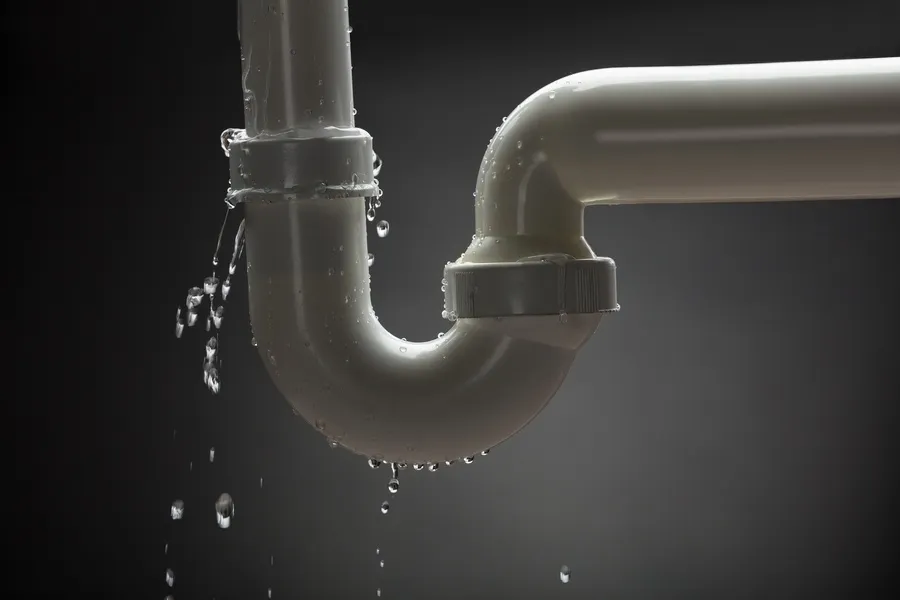
A single dripping tap or leaking pipe can waste gallons of water each day. Regularly check faucets, toilets, and water lines for leaks and fix them promptly. This small action saves water and lowers your utility bills.
2. Switch to Energy-Efficient Appliances
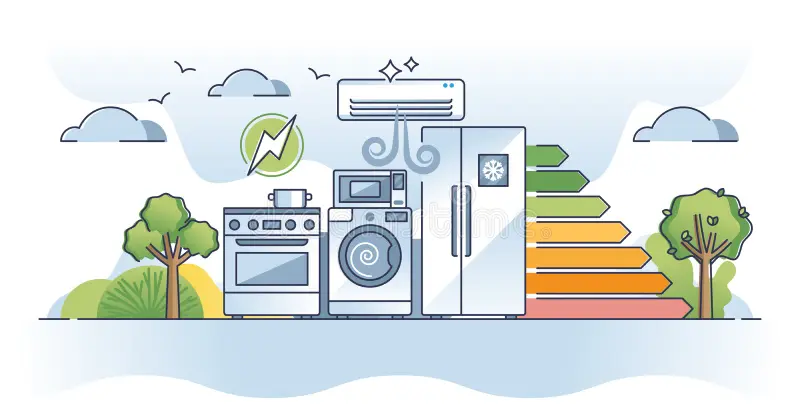
Upgrade old devices to energy-efficient ones. Look for appliances with the Energy Star label, as they consume less electricity and perform better. Energy-efficient lighting, such as LED bulbs, also cuts down power usage and lasts longer than traditional options.
3. Use Smart Power Strips
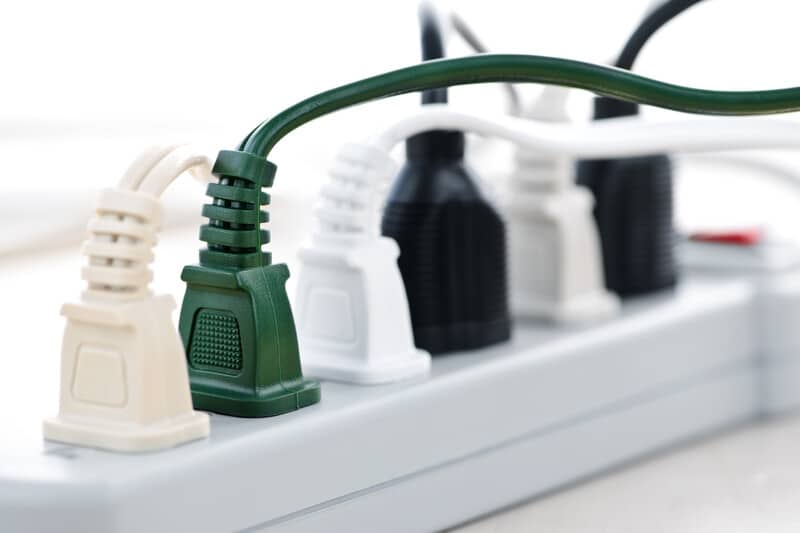
Many electronic devices use energy even when turned off. Smart power strips automatically shut off power when devices are not in use. This prevents energy waste and reduces your electricity costs without any extra effort.
4. Reduce Water Use in the Kitchen and Bathroom

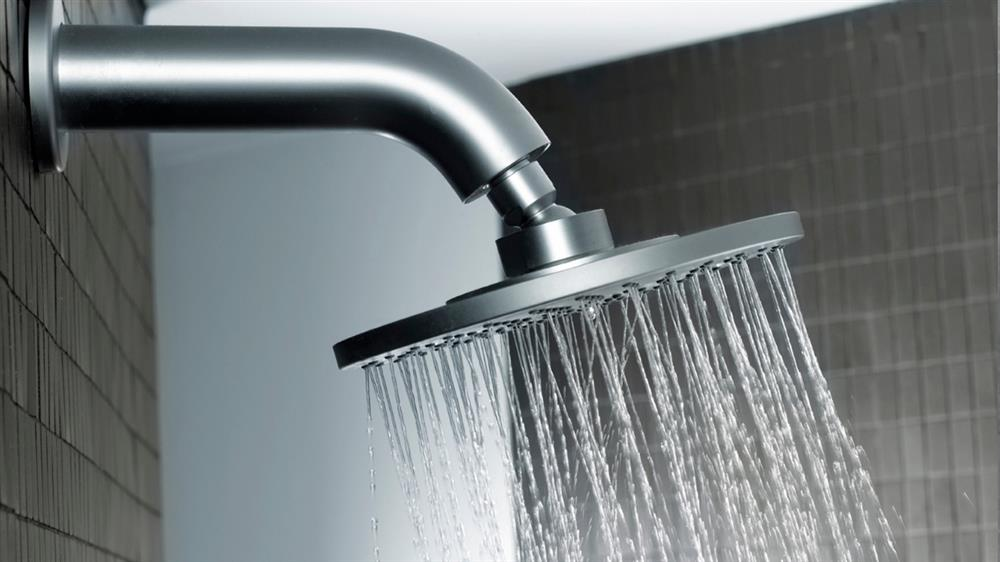
Use low-flow faucets and showerheads to limit water wastage. Turn off the tap while brushing your teeth or washing dishes. Running full loads in dishwashers and washing machines ensures maximum efficiency with minimal water consumption.
5. Embrace Natural Light and Ventilation



Make the most of daylight instead of relying solely on artificial lighting. Open windows during cooler hours for natural ventilation. This simple change reduces the need for lights and air conditioning, cutting both energy use and costs.
6. Adjust Thermostat Settings

Set your air conditioner a few degrees higher in summer and lower your heater in winter. Even a one-degree change can make a noticeable difference in energy consumption. Consider using programmable thermostats to maintain ideal temperatures automatically.
7. Educate and Involve Everyone
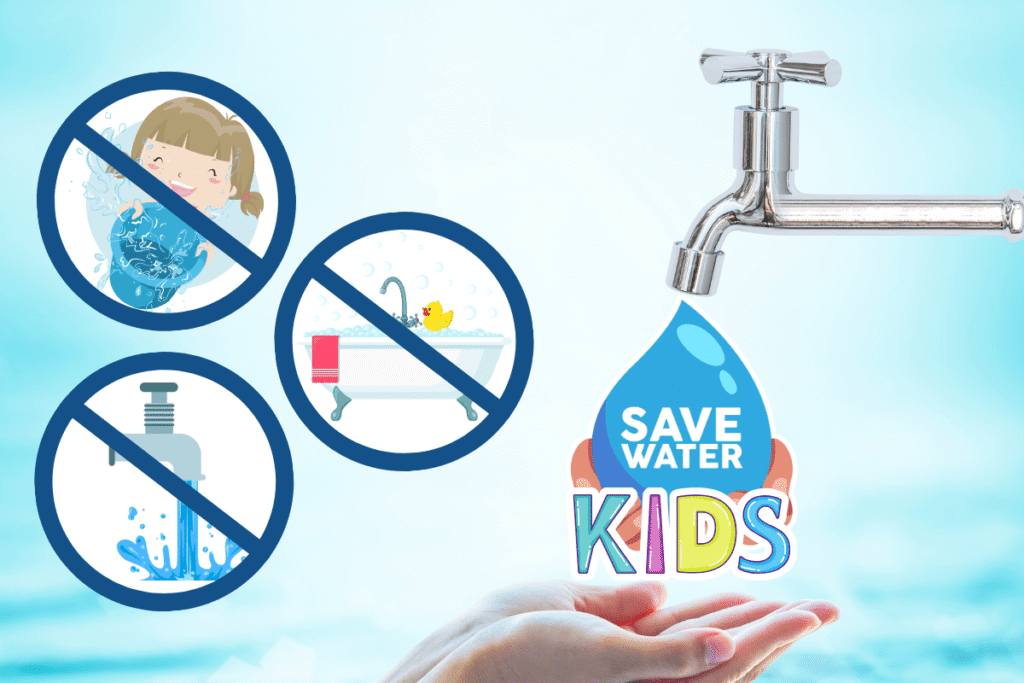


Sustainability works best when everyone participates. Encourage family members or coworkers to adopt water- and energy-saving habits. Place reminder signs near switches, taps, and printers to promote conscious usage.
8. Harvest Rainwater and Reuse
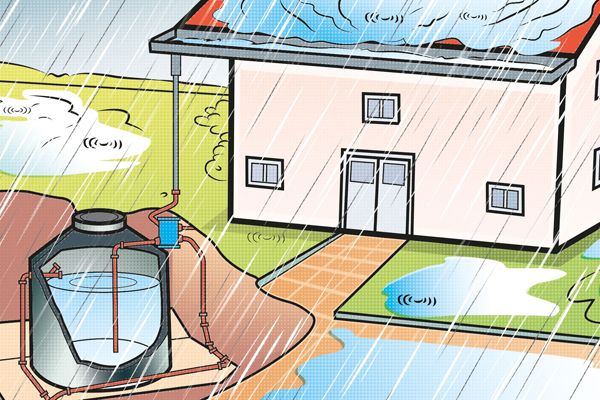
Collecting rainwater for gardening or cleaning is an effective way to conserve water. You can also reuse greywater (from sinks or showers) for non-drinking purposes with simple filtration systems.
9. Choose Green Office Practices
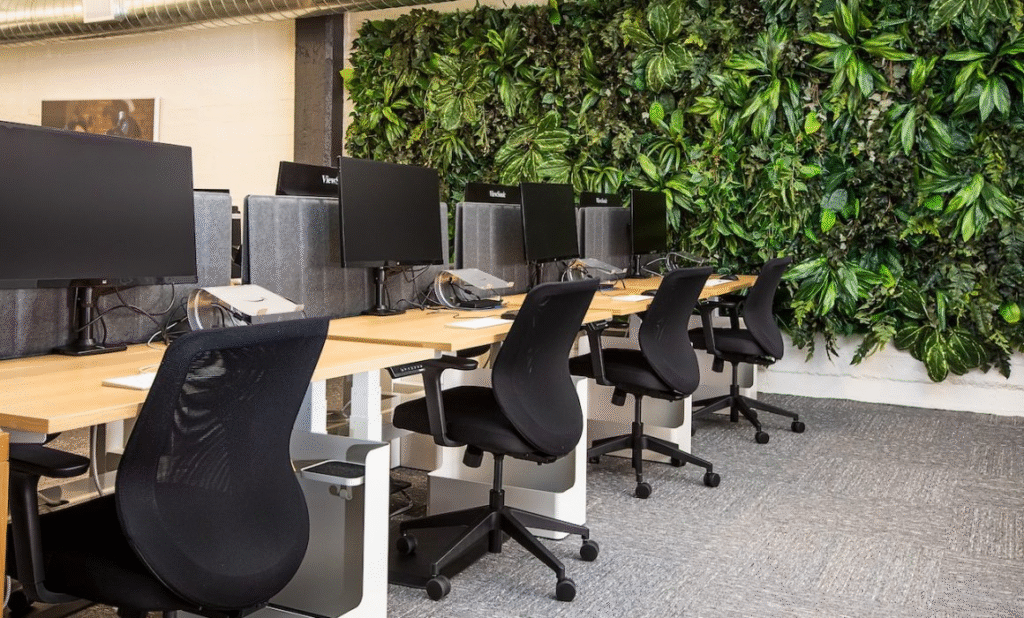


In the workplace, switch to digital documents instead of printing, use energy-saving office equipment, and set computers to sleep mode when idle. Encourage staff to unplug chargers and turn off devices before leaving.
Conclusion: Every Drop and Watt Counts
Saving water and energy is not just about protecting the planet; it’s also about creating a more efficient and cost-effective lifestyle. Every small effort adds up. By implementing these easy steps, you contribute to a cleaner, greener, and more sustainable future—starting right from your home or office.
The tips shared in this article are for general awareness about water and energy conservation. Results may vary based on individual usage and circumstances. Always follow local guidelines and professional advice for best outcomes.
#WaterConservation #EnergySaving #Sustainability #EcoFriendlyLiving #GoGreen #SaveWaterSaveEnergy #GreenLifestyle #ClimateAction #SustainableLiving #EnvironmentMatters #Carrerbook #Anslation
Leave a Reply