

A New Perspective on Protecting Nature

For years, conservation focused mainly on preserving what was left—keeping forests standing, saving endangered species, and limiting human impact. While that approach was vital, the conversation has started to shift. Today, it’s not just about protecting nature; it’s about helping it heal. This movement is known as rewilding, and it’s transforming the way we think about conservation.
What Does Rewilding Really Mean?
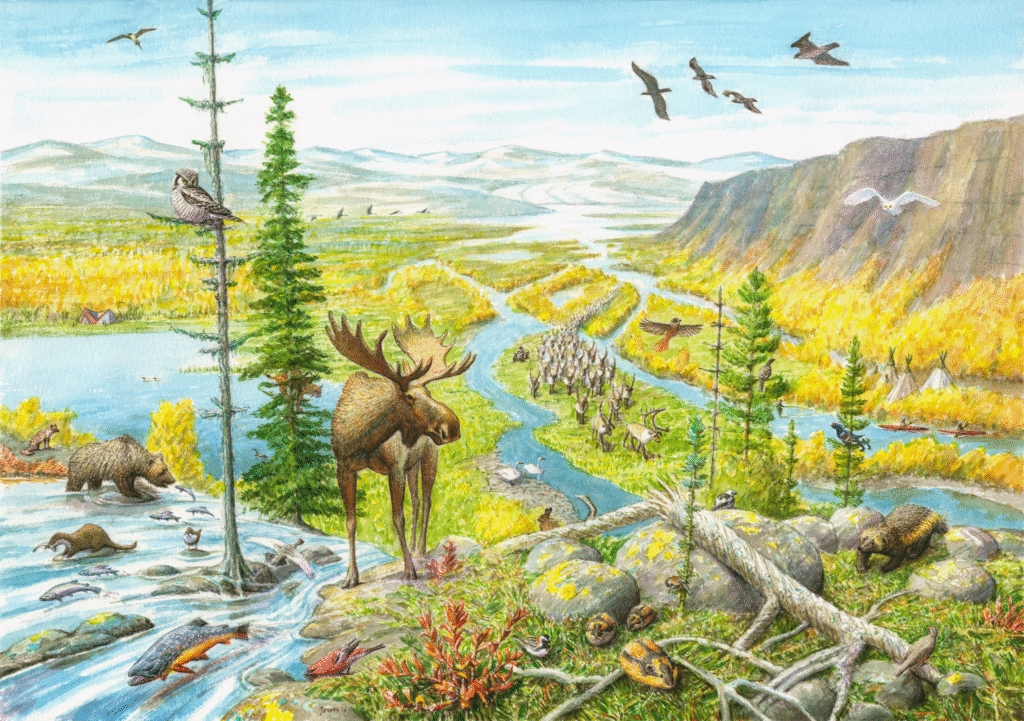
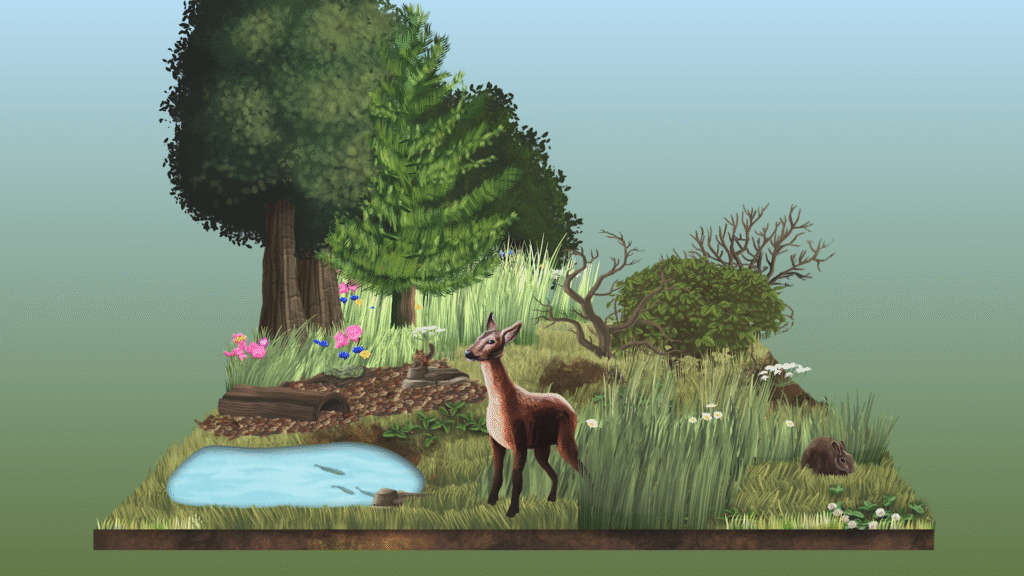
Rewilding is about giving nature the freedom to take care of itself again. Instead of tightly controlling landscapes, it encourages the return of natural processes—like allowing rivers to flow freely or reintroducing keystone species that keep ecosystems balanced. Imagine wolves returning to Yellowstone and transforming the land’s health without human interference. That’s rewilding in action.
Why the World Needs Rewilding Now

Climate change, deforestation, and pollution have disrupted the delicate balance of ecosystems worldwide. Rewilding offers a hopeful solution. By restoring natural habitats and letting species return to their roles, the planet regains its ability to regulate itself. Forests can absorb more carbon, soil becomes healthier, and wildlife populations start to recover. It’s a self-sustaining cycle of renewal.
Benefits Beyond the Wild

Rewilding doesn’t just help plants and animals—it helps people too. Healthier ecosystems mean cleaner air, fresher water, and more resilient landscapes. In some areas, rewilding projects have even boosted local economies through eco-tourism and sustainable farming practices. It’s a reminder that when nature thrives, humanity thrives with it.
From Small Steps to Big Change
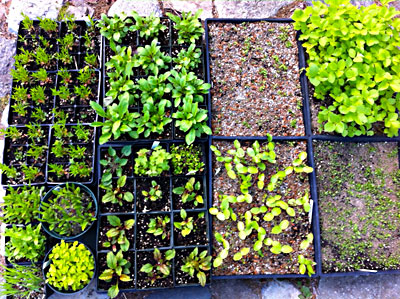
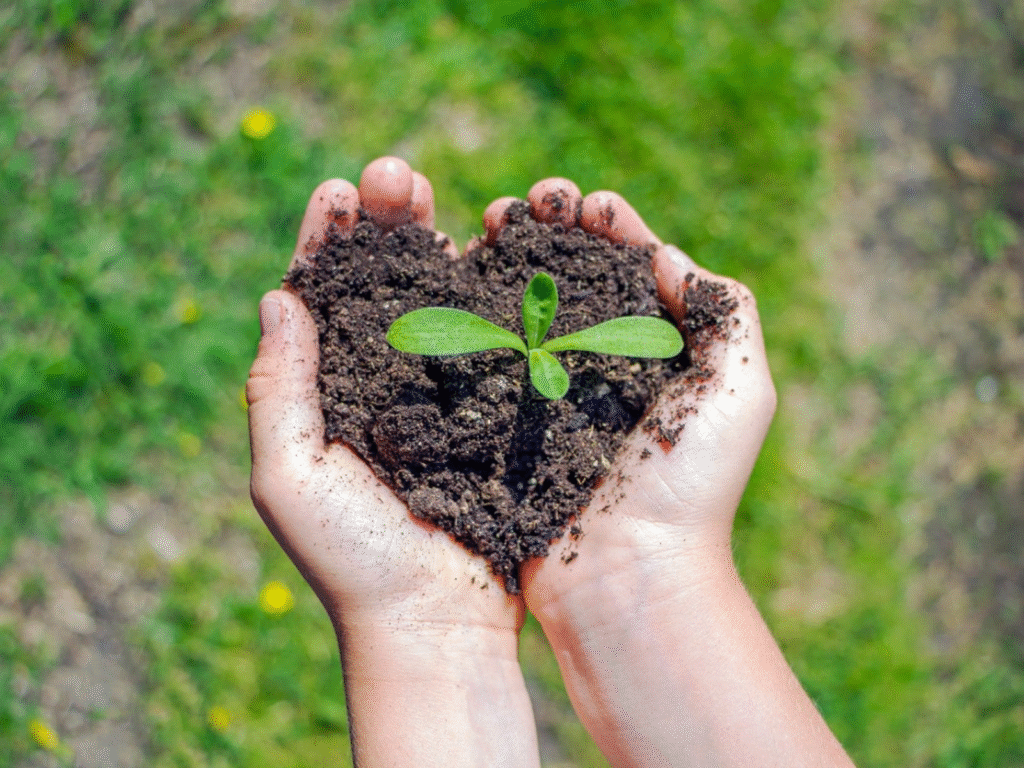
You don’t need to be a scientist or an environmental activist to be part of this change. Simple actions like planting native species, supporting conservation organizations, or allowing part of your garden to grow wild all contribute to rewilding. When these small acts multiply across communities, the impact becomes powerful.
Challenges on the Road to Rewilding

Of course, rewilding isn’t without obstacles. Some people worry about reintroducing predators or losing farmland. Others struggle with changing long-held views about how nature should be managed. However, as more success stories emerge, these fears are giving way to understanding and excitement. The evidence is clear: when nature is allowed to heal, it surprises us with its resilience.
Final Thoughts
Rewilding reminds us that sometimes the best way to move forward is to step back and let nature do what it does best—restore, adapt, and thrive. Every small effort counts, whether it’s planting a native tree, supporting a rewilding project, or simply spreading awareness. The new era of conservation isn’t just about saving the planet; it’s about rediscovering our connection to it.
This blog is for educational and awareness purposes only. The ideas shared here are based on current environmental research and general conservation principles. Always seek local guidance before engaging in wildlife or habitat restoration activities to ensure they align with regional laws and ecological needs.
#Rewilding #Conservation #Sustainability #EcoRestoration #SaveNature #WildlifeConservation #PlanetEarth #GreenFuture #ClimateAction #Anslation #Carrerbook
Leave a Reply