

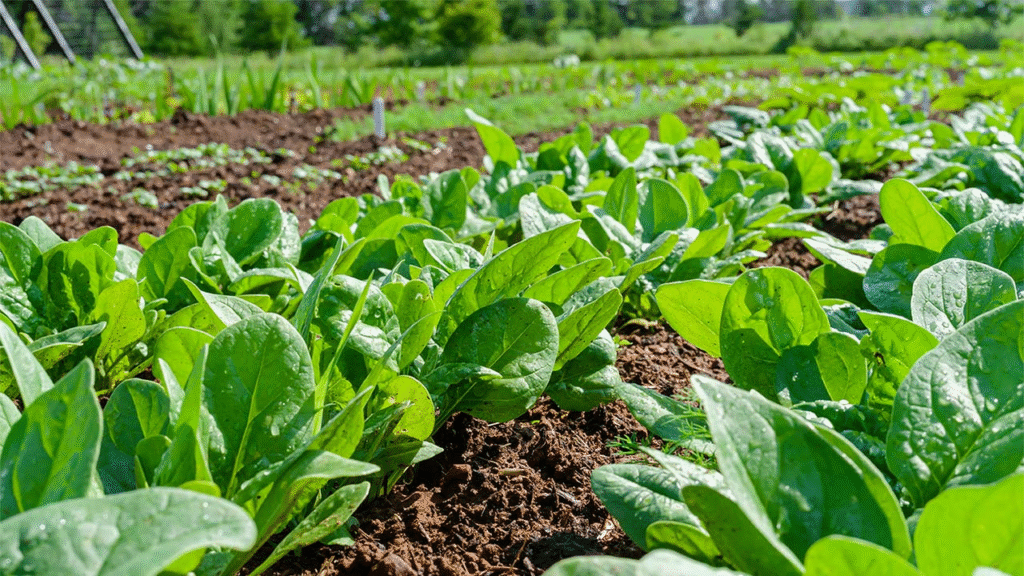
Dreaming of starting your own organic farm but don’t know where to begin? You’re not alone. Many people are turning to organic farming as a way to lead a more sustainable lifestyle, grow chemical-free food, and even generate income — all without any prior experience. The good news? You don’t need a degree in agriculture to get started. All it takes is curiosity, commitment, and a solid plan.
1. Understand What Organic Farming Really Means
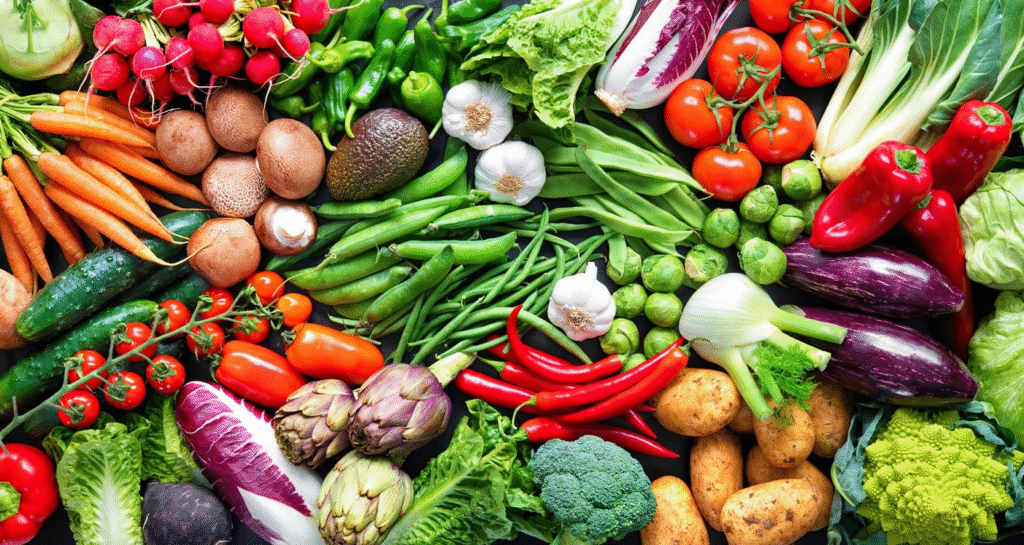
Before planting your first seed, it’s important to understand what organic actually involves. Organic farming avoids synthetic fertilizers, pesticides, GMOs, and artificial additives. It focuses on soil health, biodiversity, and sustainable farming methods. Learning the core principles will help you stay compliant with organic standards and earn consumer trust if you plan to sell your produce later.
2. Start Small — Think Backyard or Balcony


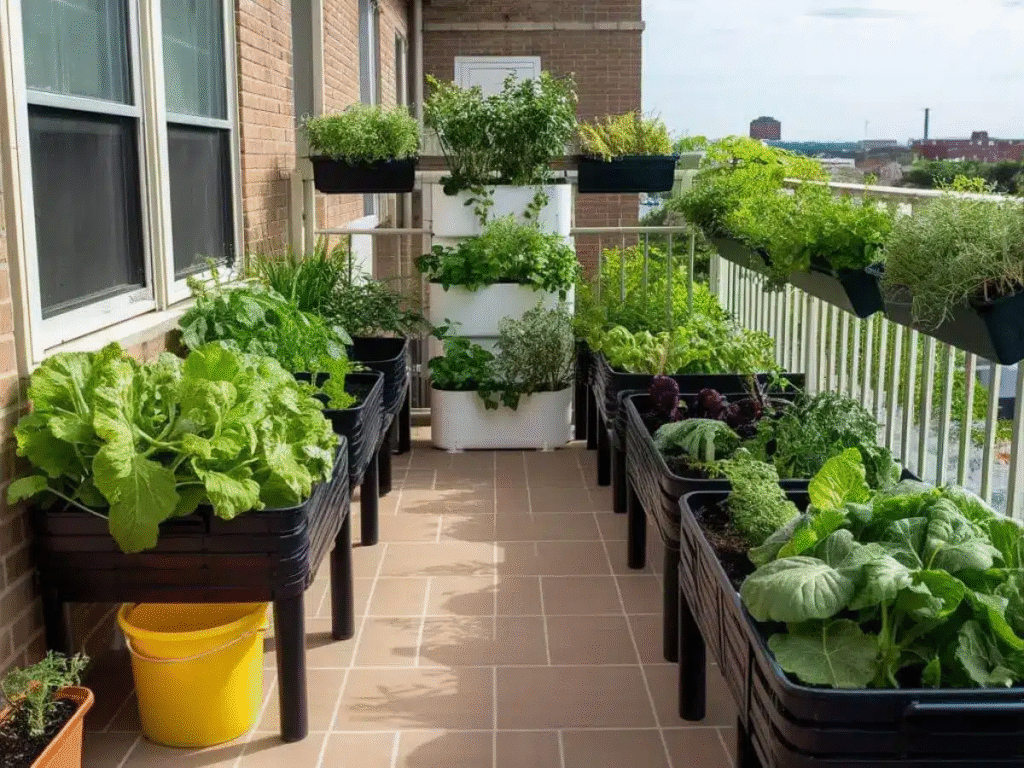
You don’t need acres of land to start. In fact, starting small is often the smartest choice. Use a portion of your backyard or even a balcony garden to grow herbs, leafy greens, or tomatoes. This allows you to practice organic techniques like composting, mulching, and crop rotation without getting overwhelmed.
3. Learn the Basics Through Free Resources

There are plenty of free or low-cost resources online that teach organic farming principles. Look for:
- YouTube tutorials from experienced organic farmers
- Online courses offered by agricultural universities
- Government or NGO-sponsored organic agriculture guides
Start with beginner-friendly content and gradually move to more advanced techniques like companion planting or natural pest control.
4. Choose the Right Crops for Your Climate
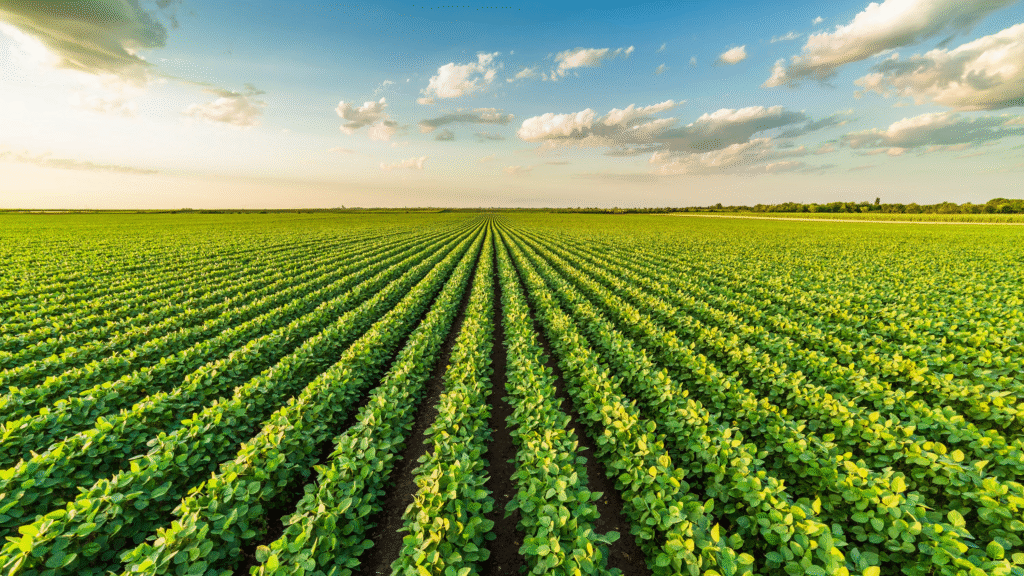
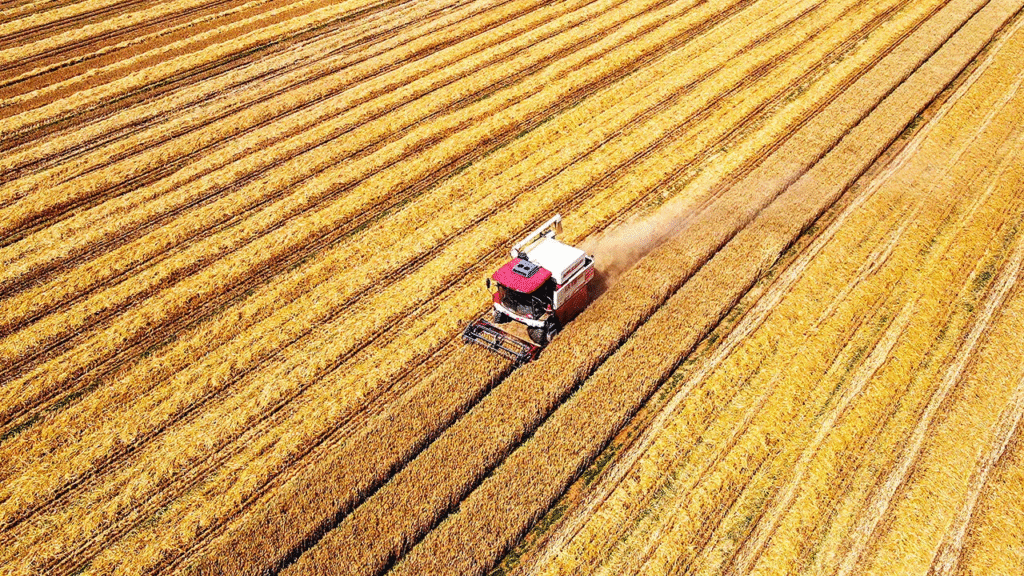
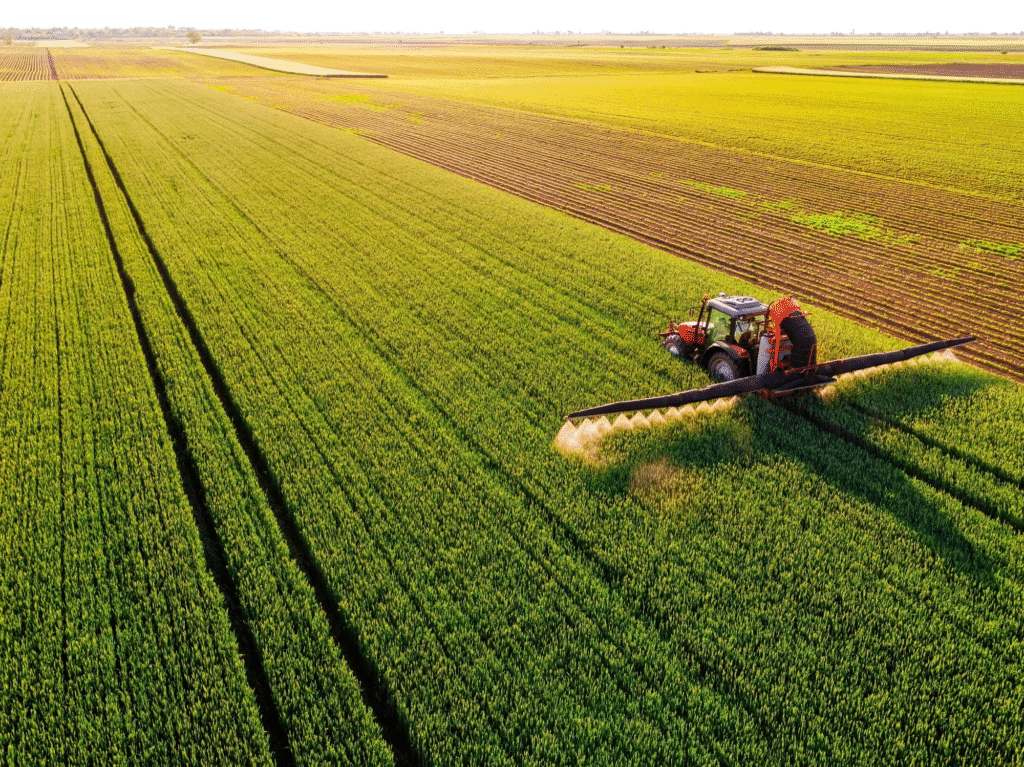
Not all plants grow well in every region. Research crops that thrive in your local climate and soil conditions. Native plants often require less water and are naturally more resistant to local pests. Starting with low-maintenance crops increases your chances of early success.
5. Get to Know Your Soil
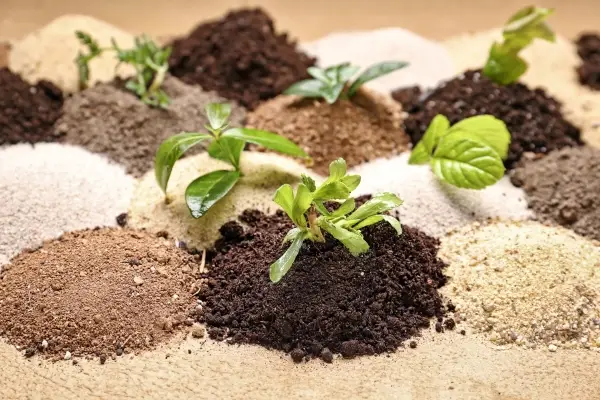
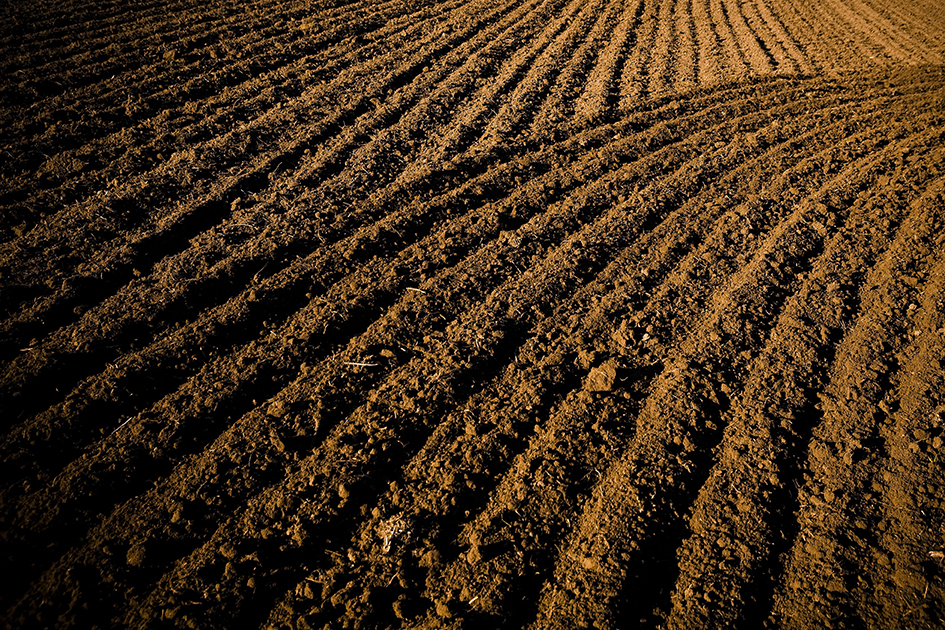
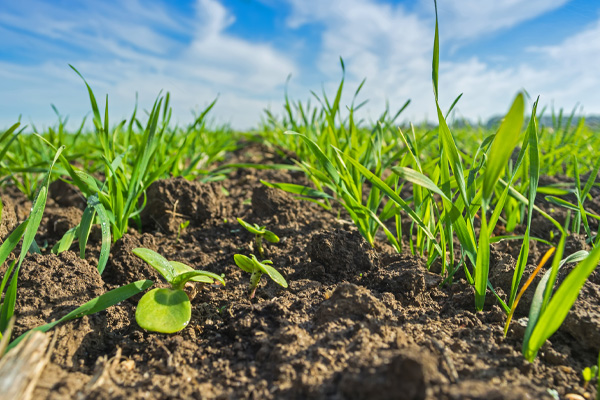
Healthy soil is the foundation of any successful organic farm. Invest in a basic soil testing kit to check pH levels, nutrient content, and structure. Amend your soil naturally using compost, worm castings, or aged manure. Avoid chemical fertilizers at all costs
6. Use Organic Seeds and Natural Inputs
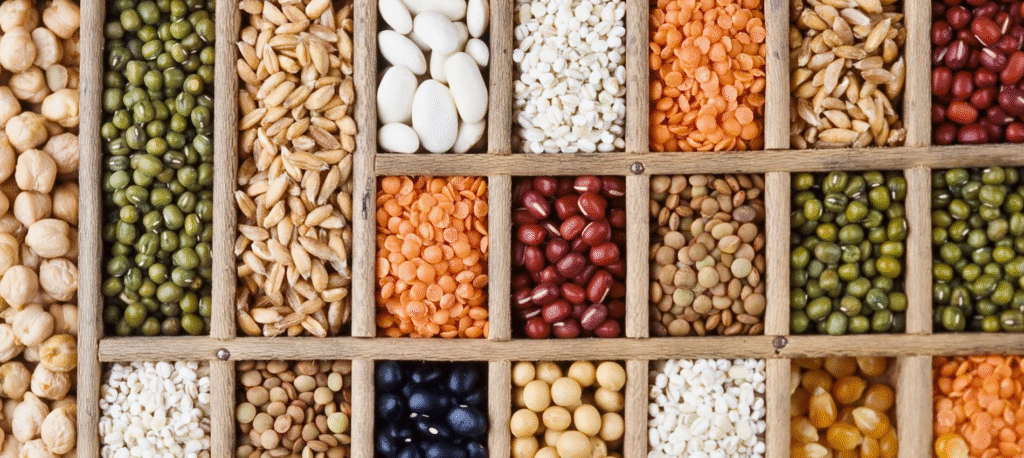
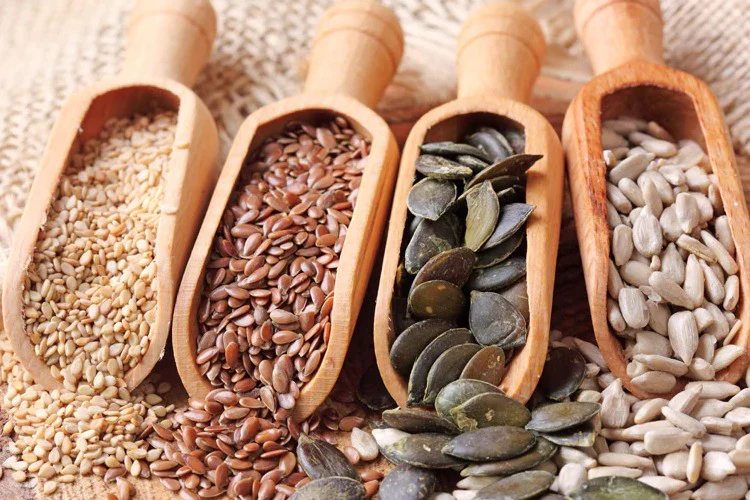
When sourcing seeds, make sure they’re certified organic. This ensures they haven’t been genetically modified or treated with harmful chemicals. Stick to natural inputs like neem oil for pests or compost tea for fertilization. These support soil health and promote beneficial microbes.
7. Compost Everything You Can
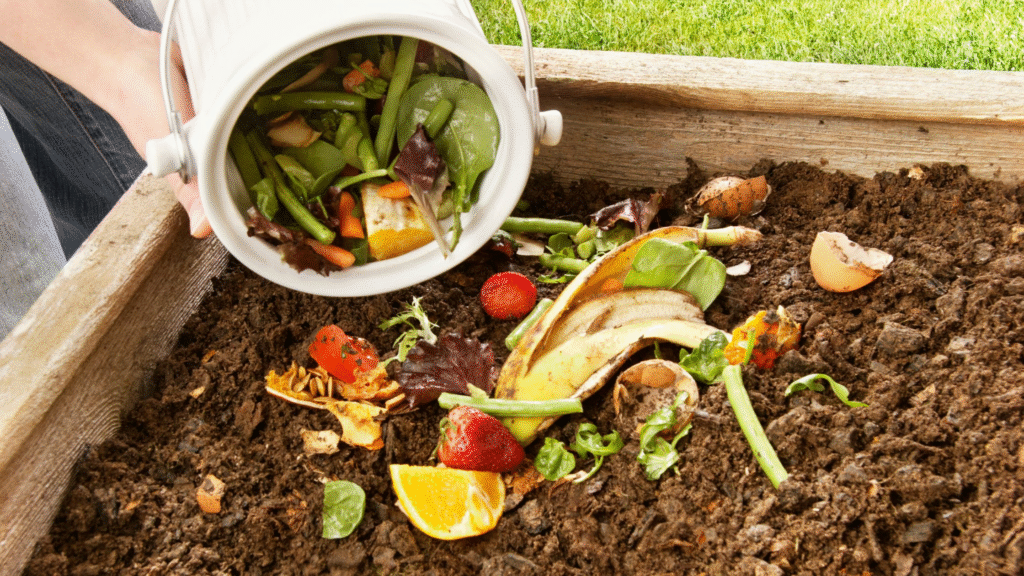

Composting is a game-changer for organic farmers. It turns kitchen scraps, garden waste, and even cardboard into nutrient-rich fertilizer. A small compost bin or pile can dramatically improve your soil over time and reduce your dependency on store-bought inputs.
8. Network with Local Farmers and Markets
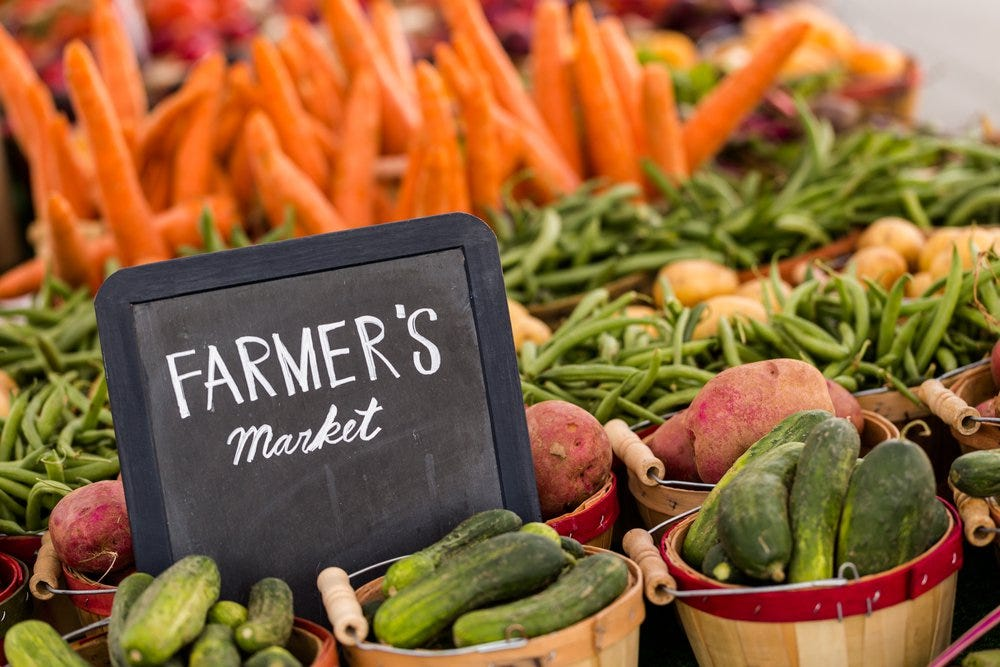
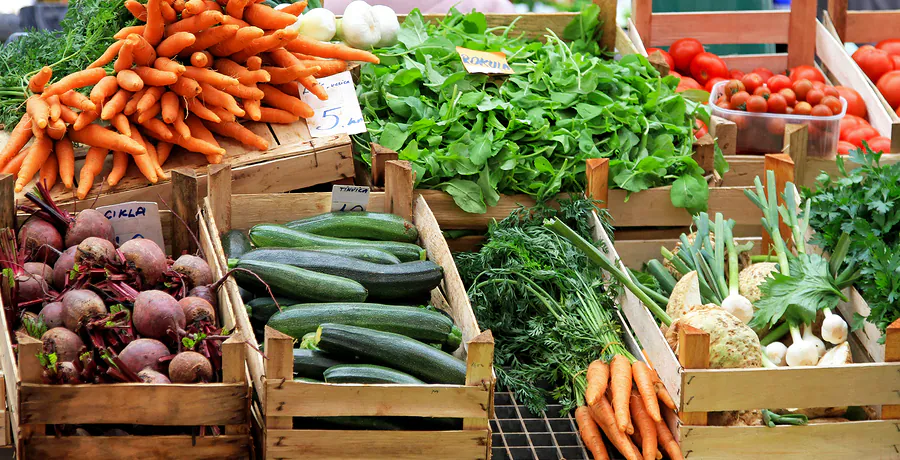
Reach out to local organic farmers, farmers’ markets, or community-supported agriculture (CSA) groups. Many experienced farmers are happy to share advice and even offer mentorship. You can also visit their farms to see sustainable practices in action.
9. Stay Patient and Keep Learning
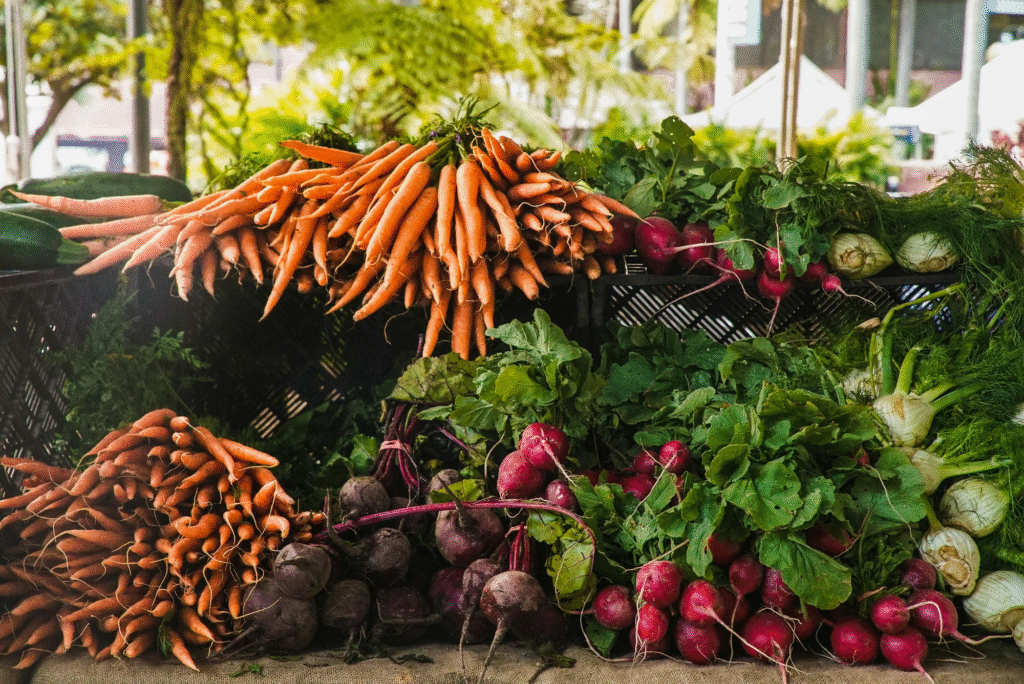
Organic farming takes time and consistent effort. You’ll make mistakes — and that’s okay. Each season teaches you something new. Keep a farming journal, track what works, and adapt along the way.
10. Explore Certification (When You’re Ready)
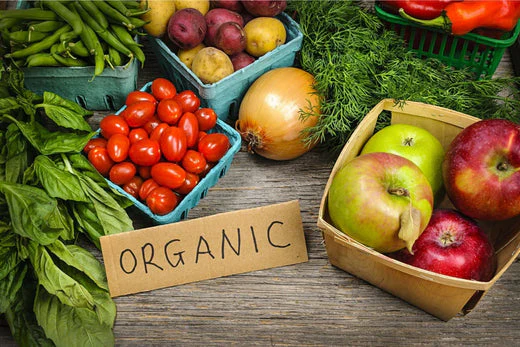
If you’re planning to sell your produce, getting certified as an organic grower might be the next step. Look into your country’s certification process, such as USDA Organic in the U.S. or India Organic in India. Certification builds consumer trust and opens doors to new markets.
Final Thoughts: Start Where You Are
You don’t need a farm background, expensive tools, or even a lot of land to begin your organic farming journey. Start with what you have. Learn as you grow. The key is to take that first step — whether it’s planting one organic tomato or starting your first compost bin.
This blog is for informational purposes only. Always consult local agricultural experts or organic certification bodies before starting a commercial organic farm.
#OrganicFarming #BeginnerFarmer #SustainableLiving #GrowYourOwnFood #UrbanFarming #OrganicLifestyle #FarmToTable #CompostLife #HealthySoil #ZeroWasteFarming #Anslation #Carrerbook
Leave a Reply